Wildlands, PPL boost conservation value, safeguard infrastructure at Black River Sanctuary
By Molly Bilinski
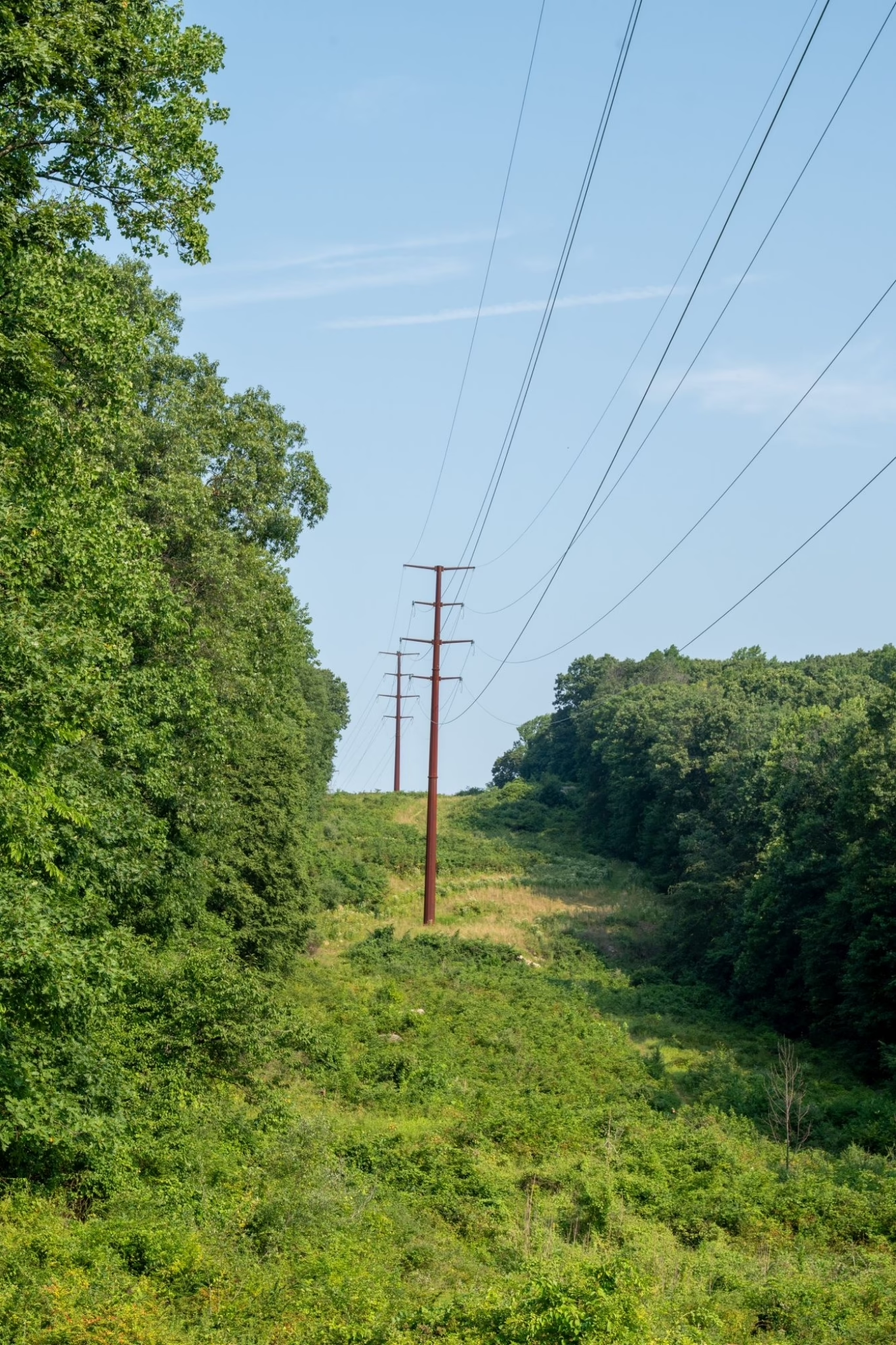
At Black River Sanctuary, it’s impossible to miss how utility lines cut through the landscape, creating a gap between areas of dense, mature forest.
A new project, in partnership with PPL, aims to remedy that.
By excising invasive plants, adding natives and managing the buffer, creating a softer edge, Wildlands plans to increase habitat diversity while safeguarding the transmission corridor within the 187-acre sanctuary.
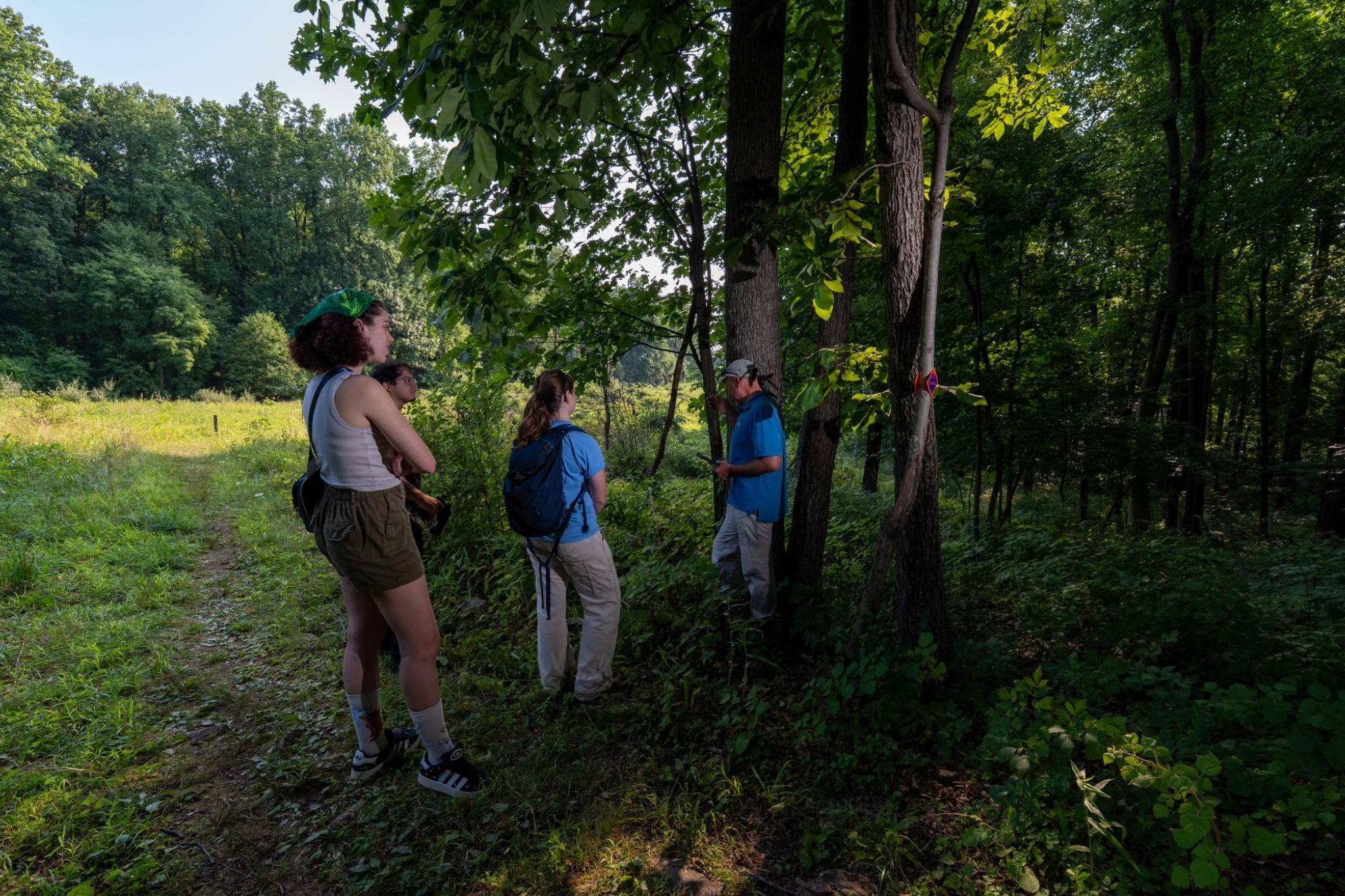
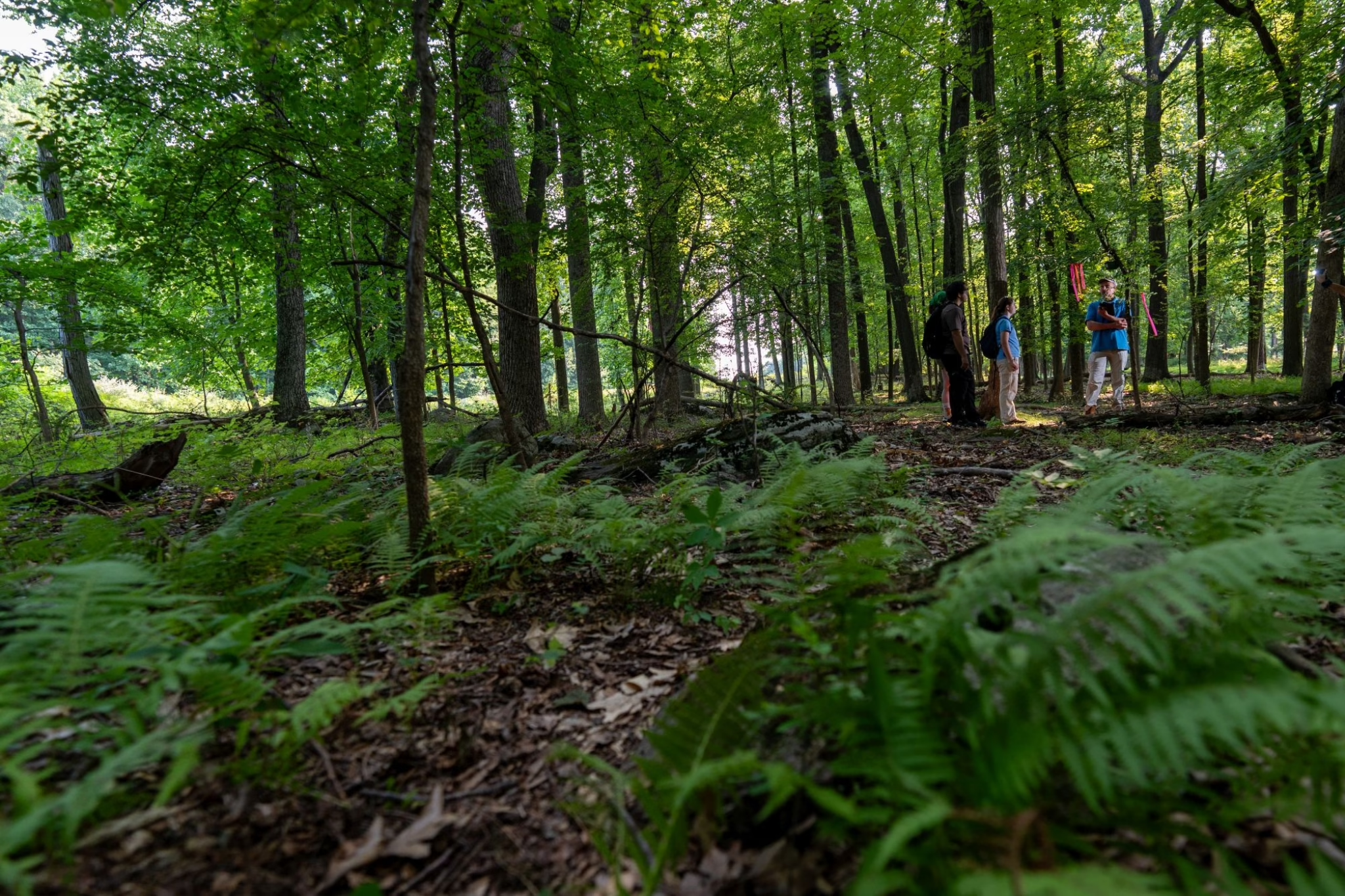
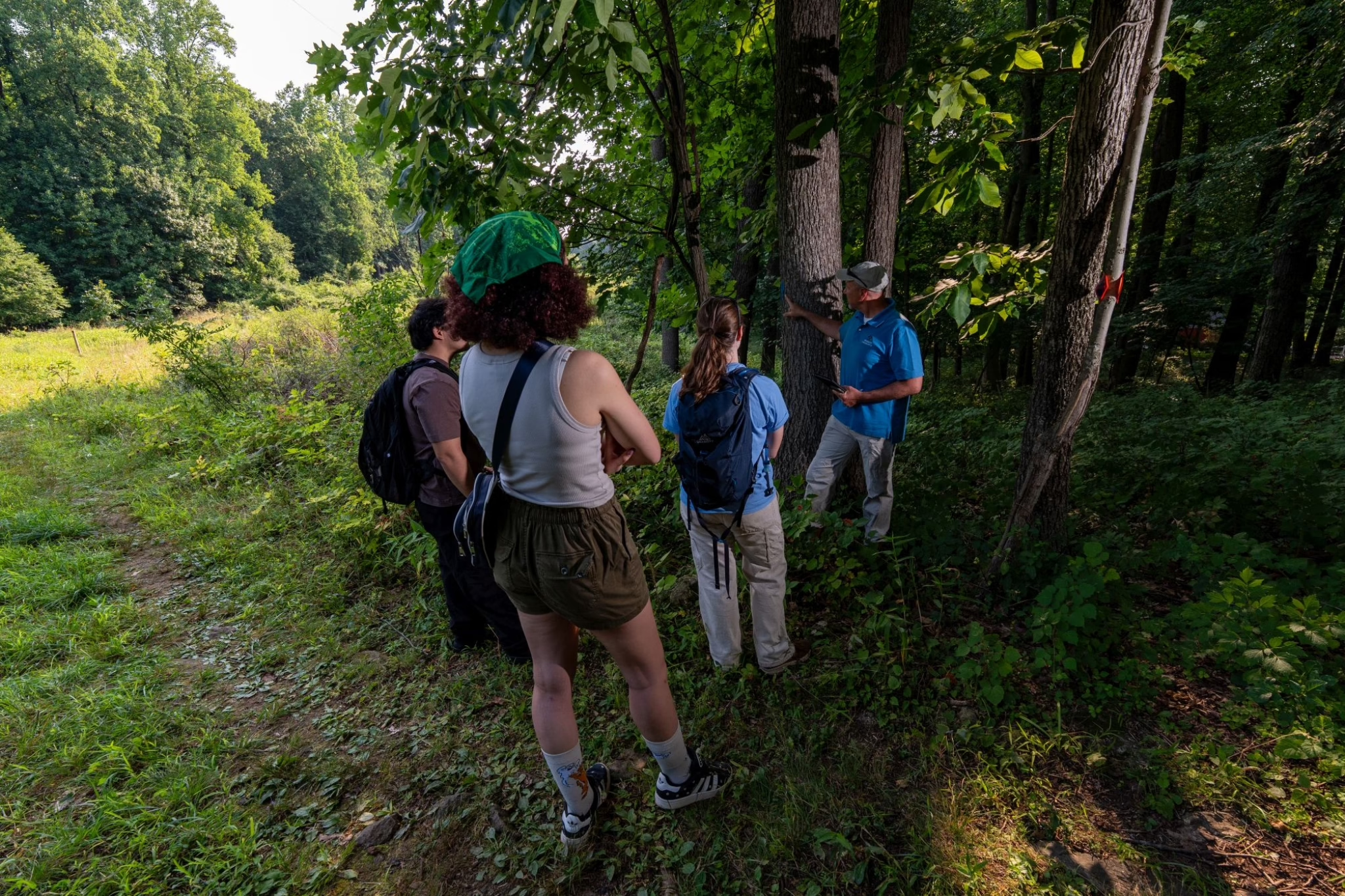
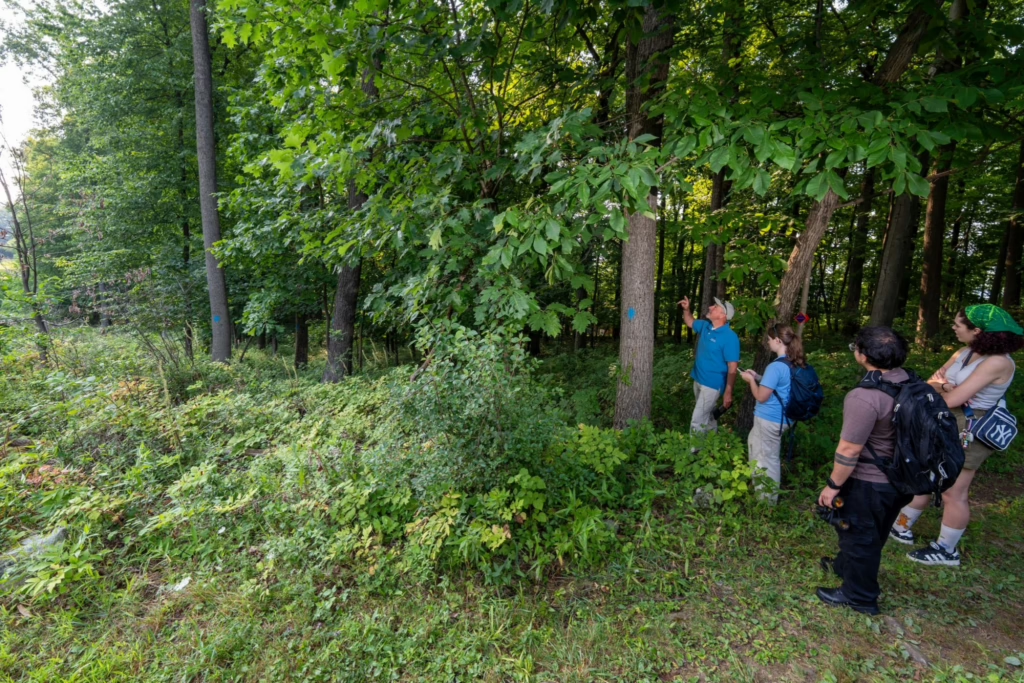 Conservation and communications interns talk with Wildlands Conservancy’s Director of Property Stewardship Carl Martin about the transmission corridor
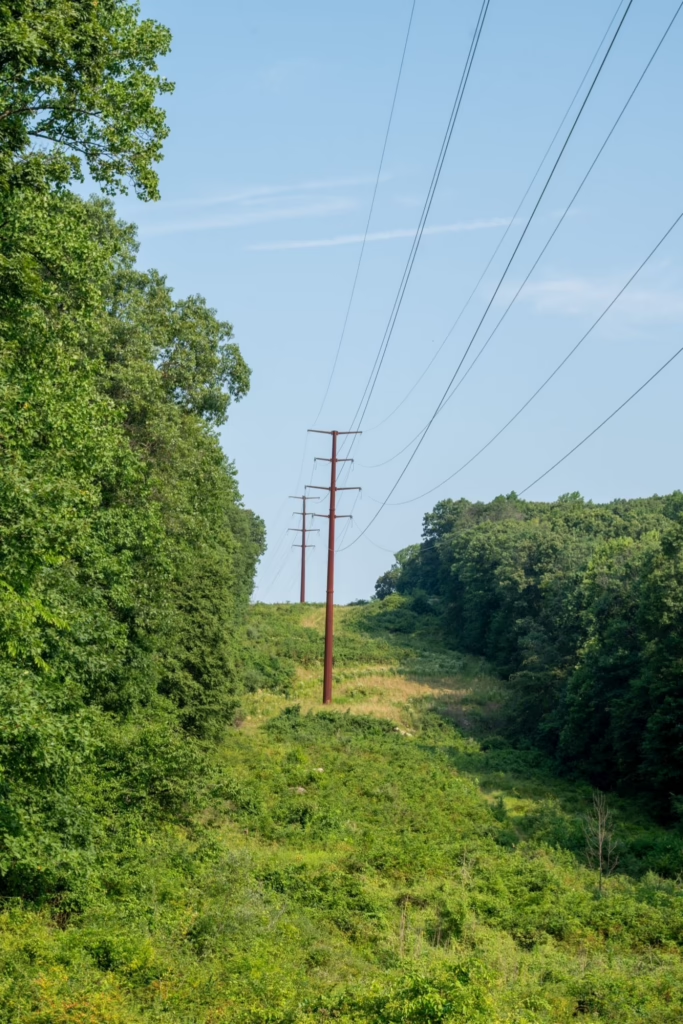 Powerline right-of-way at Black River Sanctuary
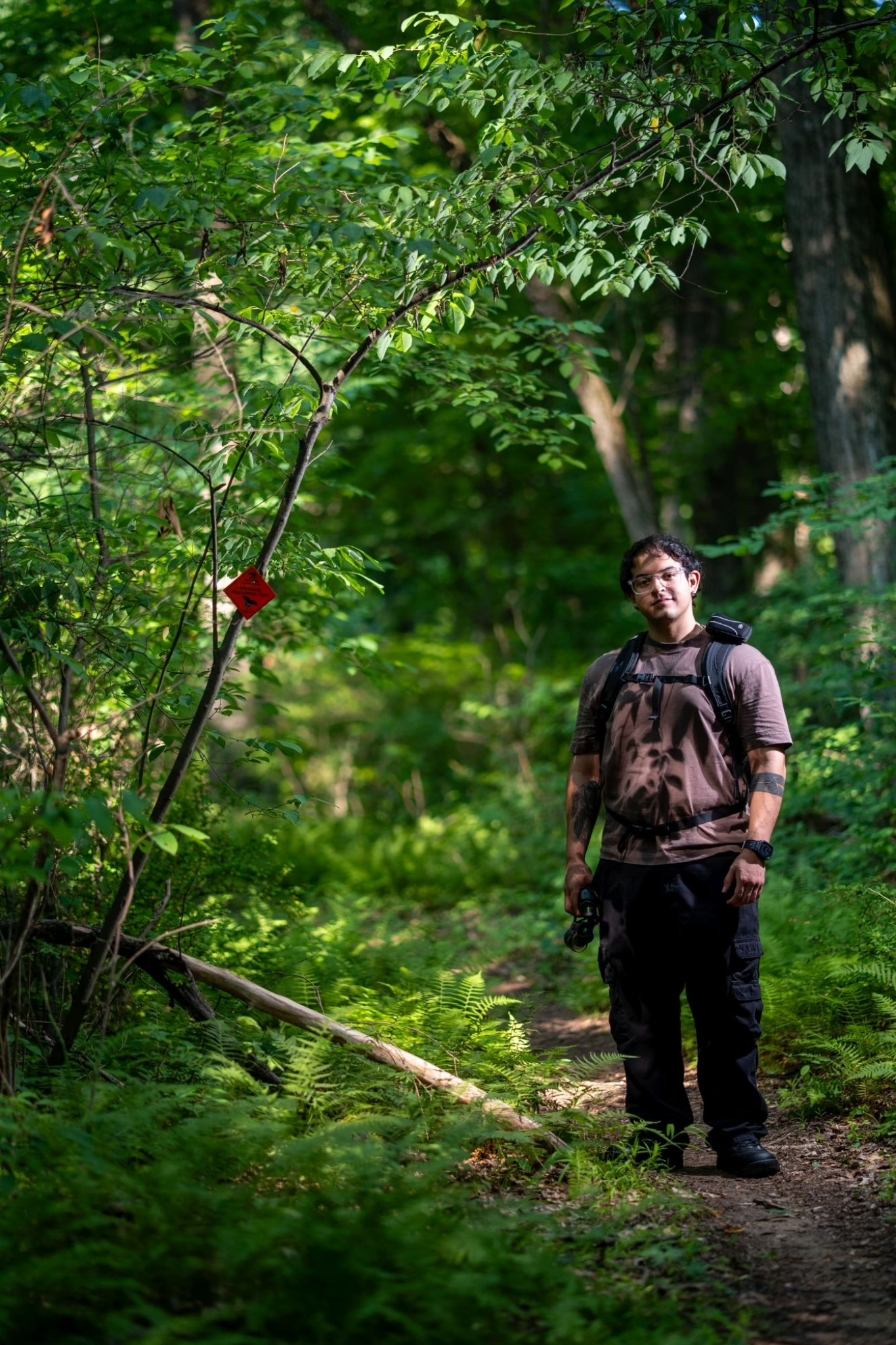
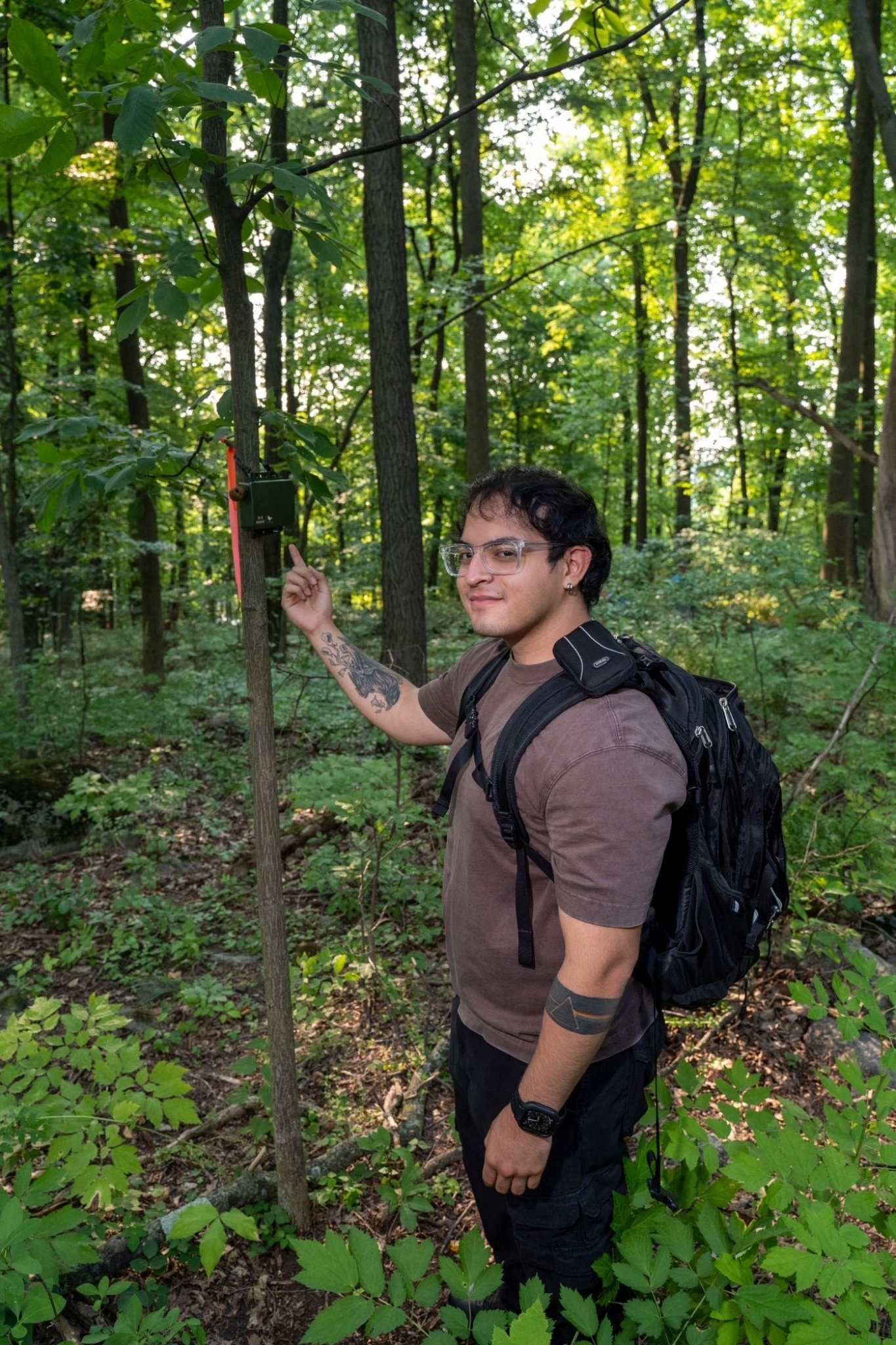
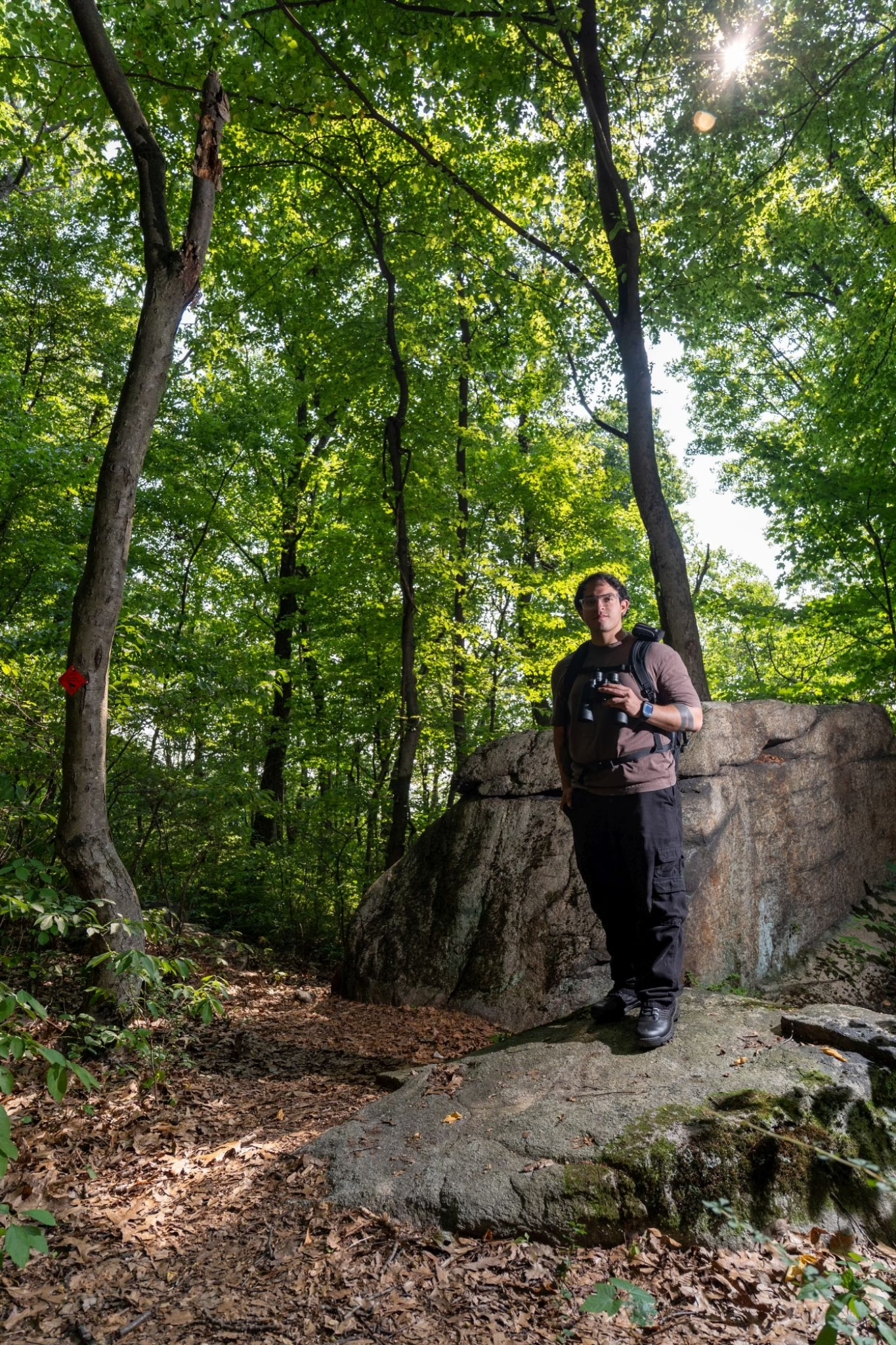
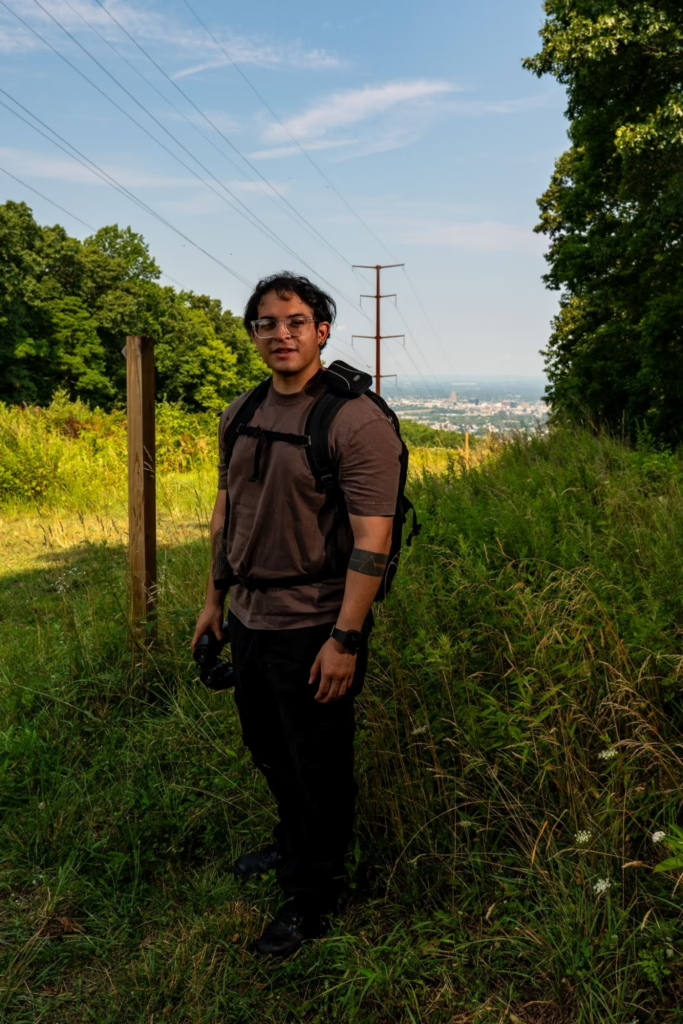 Christopher Tito spends the summer interning with Wildlands Conservancy in between studying Wildlife Conservation & Management at Delaware Valley University
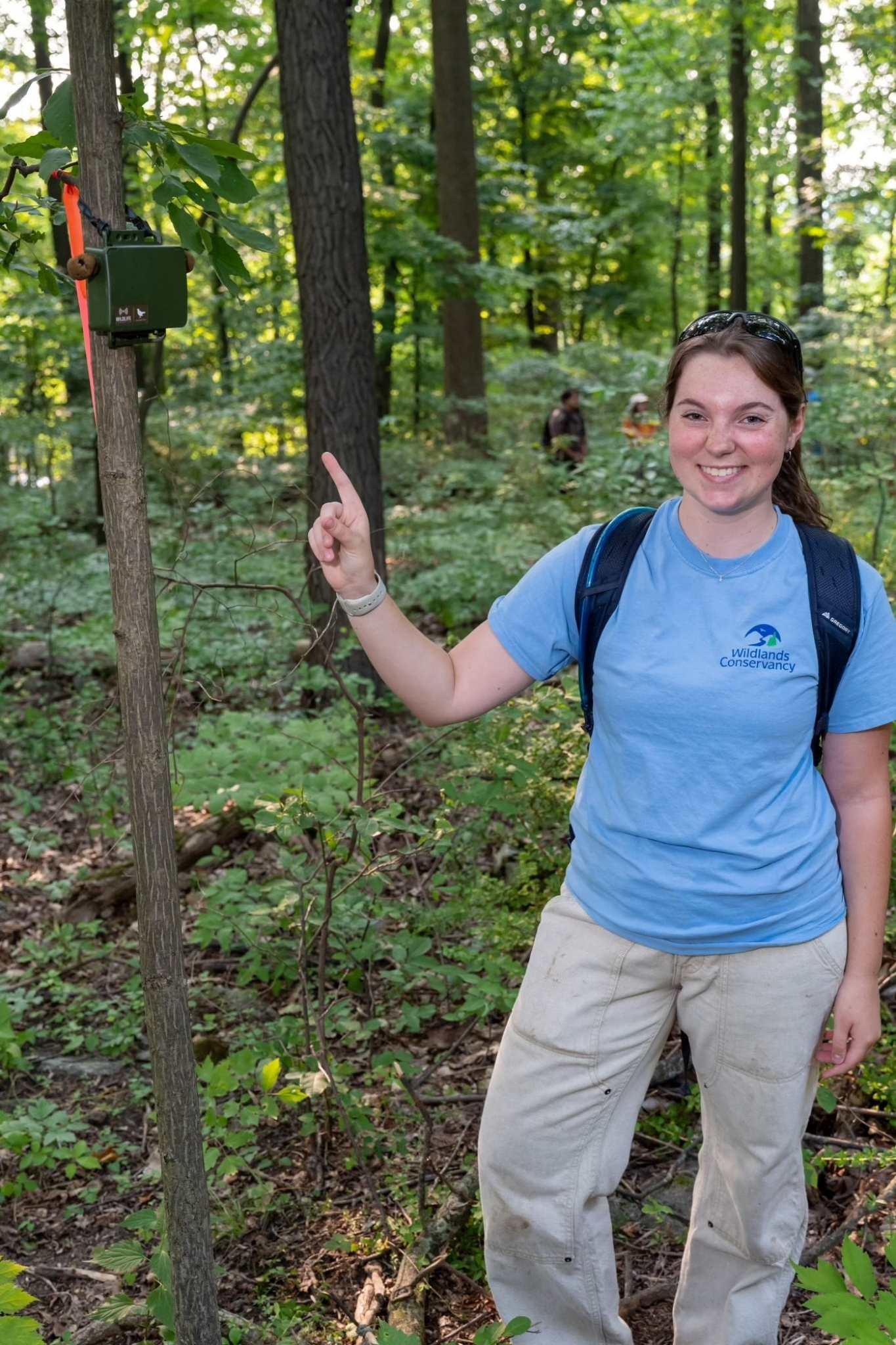
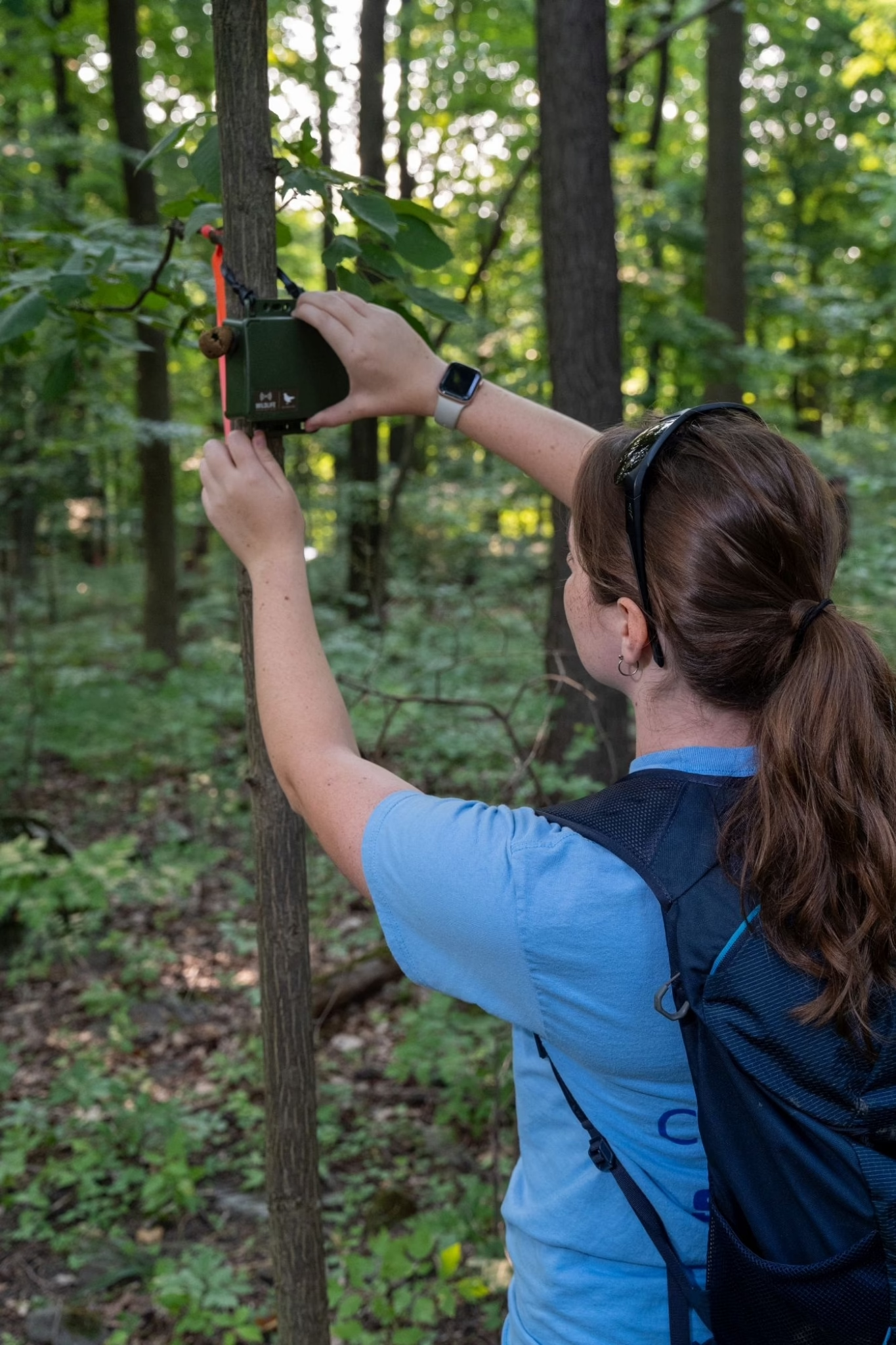
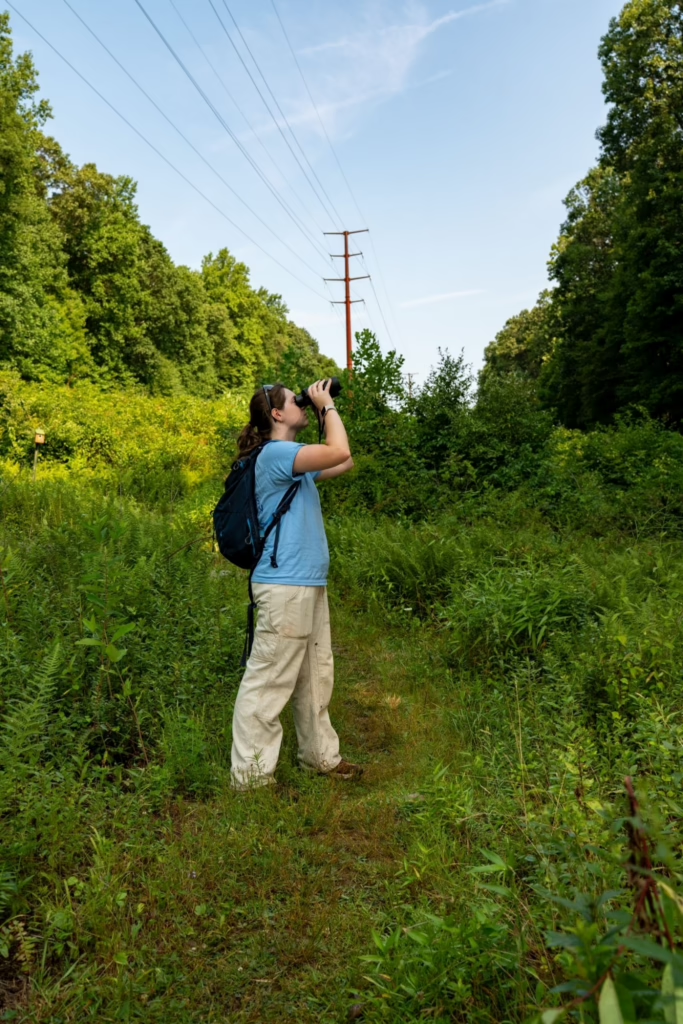 Abigail LaRussa studies Environmental Science at University of Delaware
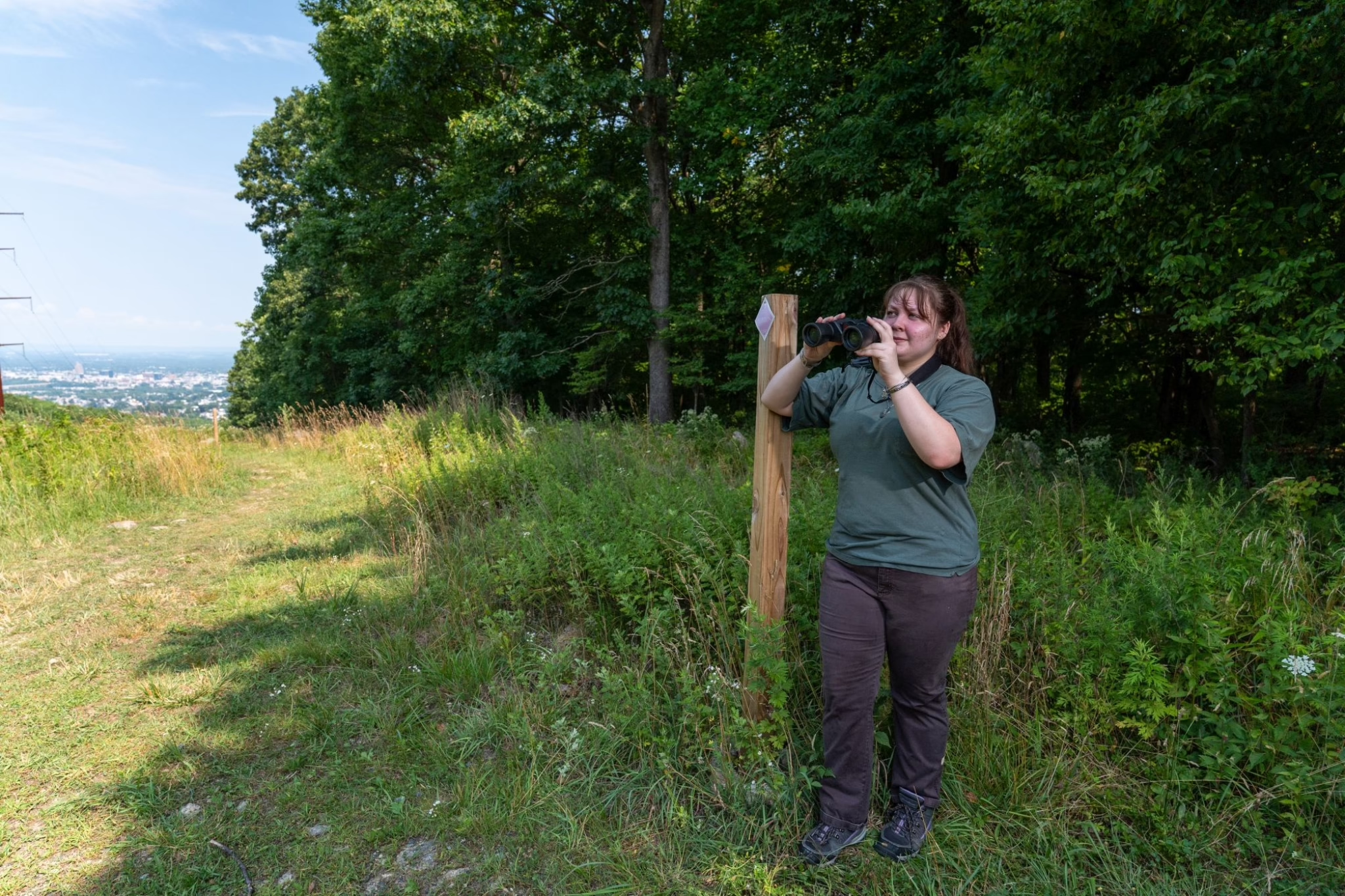
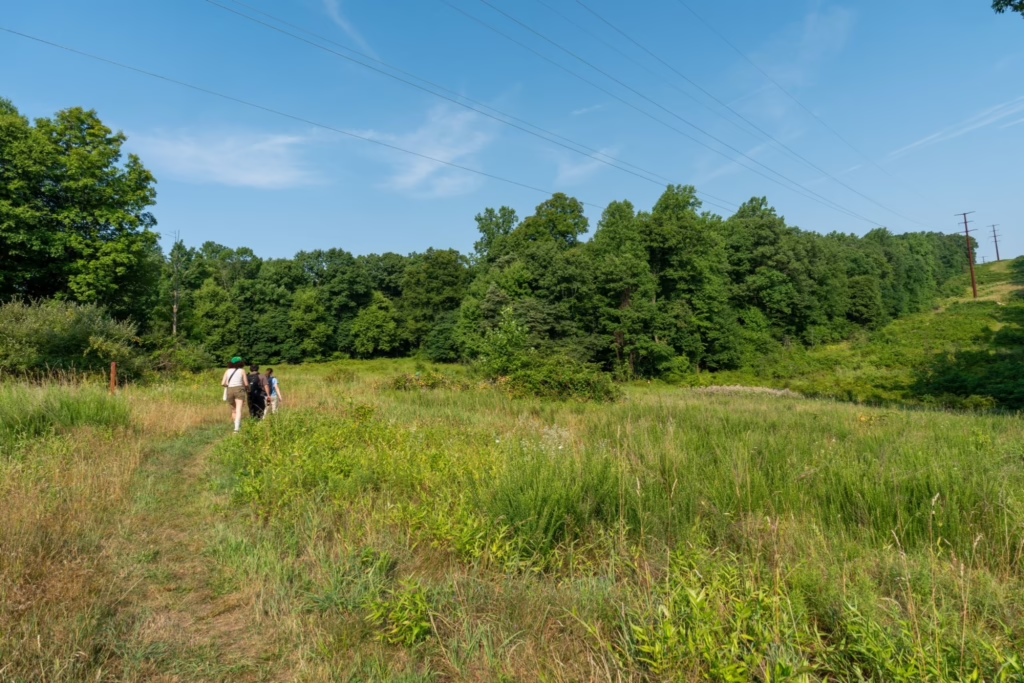 The crew hikes through the transmission corridors during point count surveys
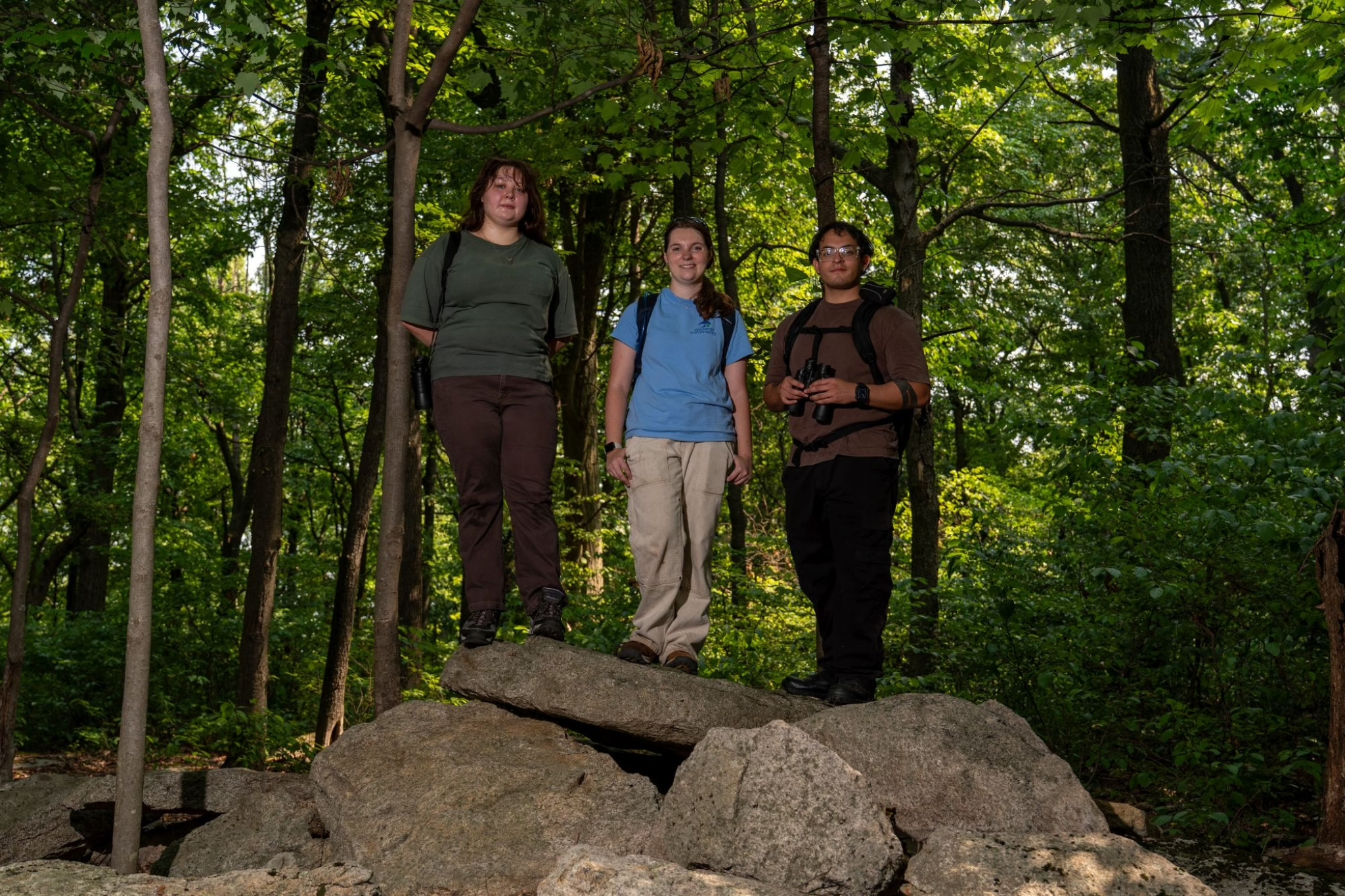
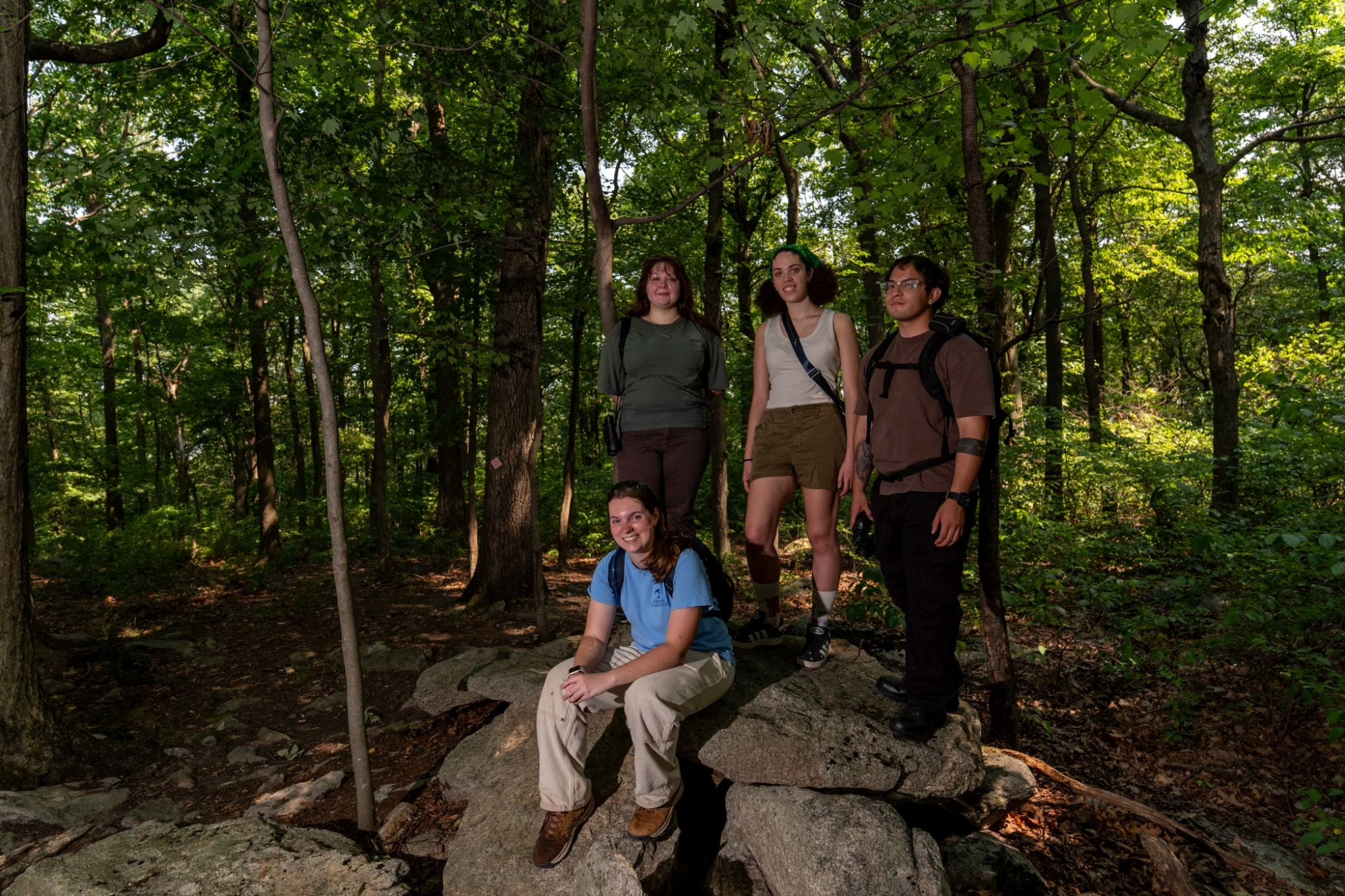
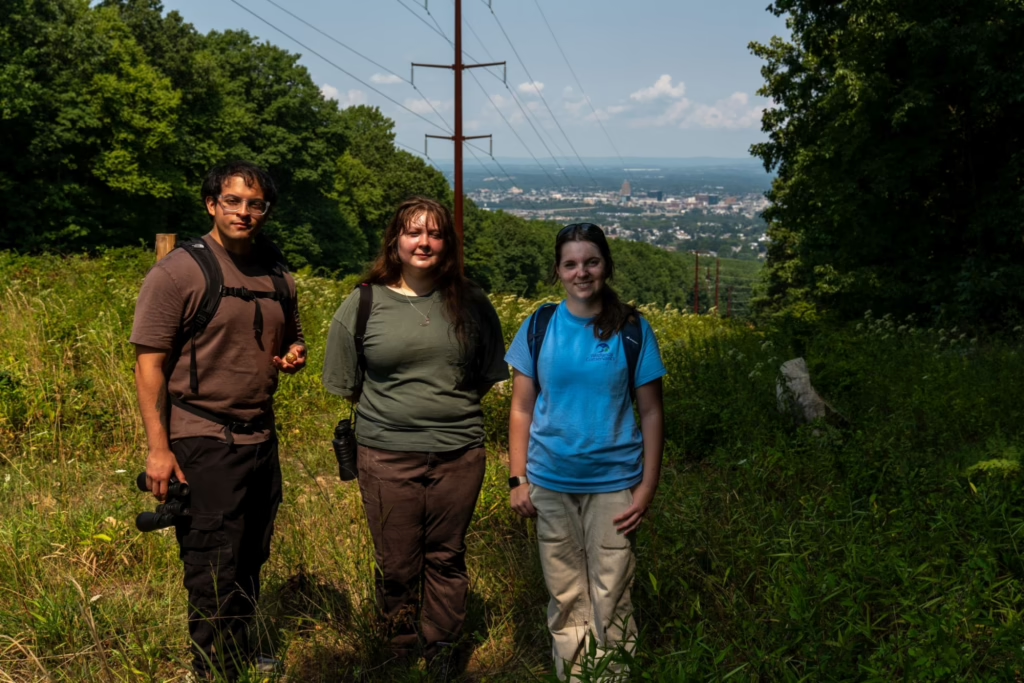 Conservation interns Christopher Tito, Myah Brody, and Abigail LaRussa
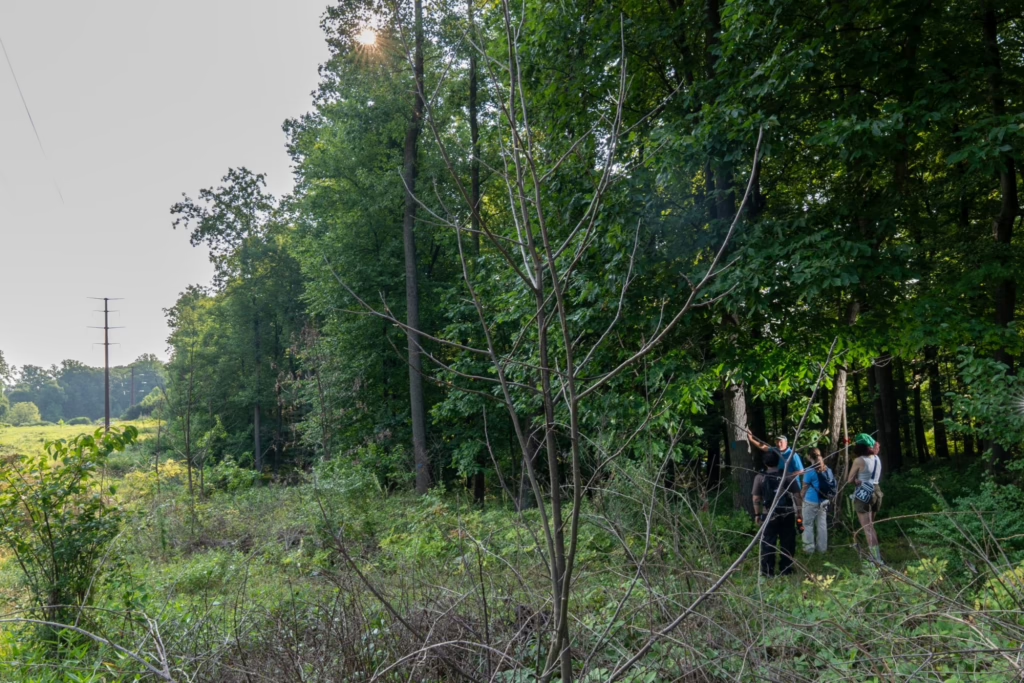 Danger and hazard trees line the forest edge of the transmission corridor next to open air
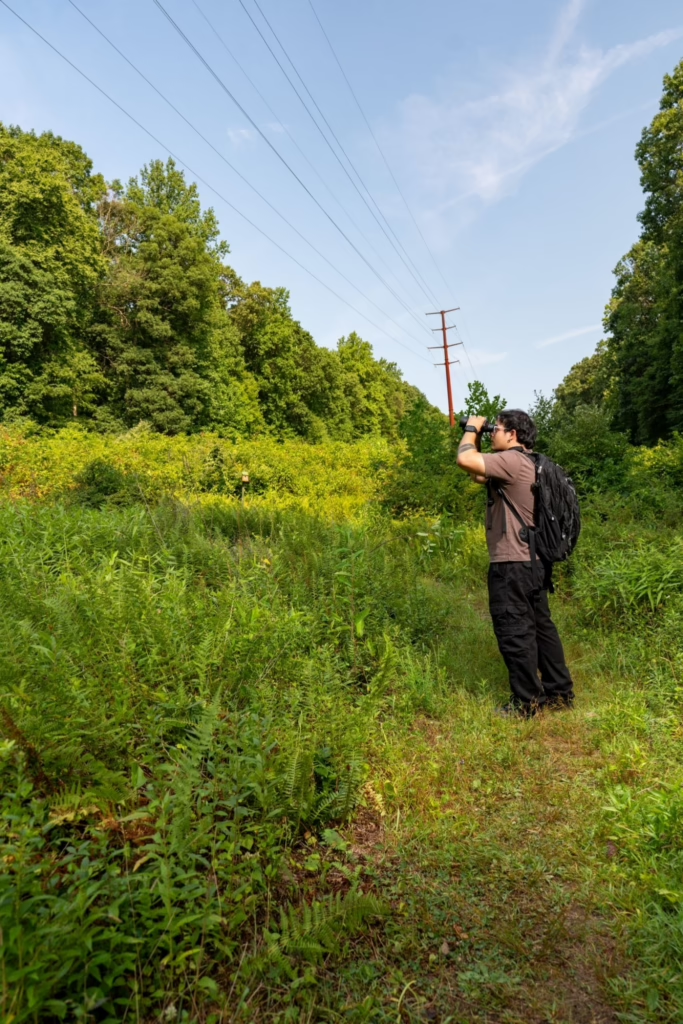 Christopher Tito looks for wood thrush during a survey
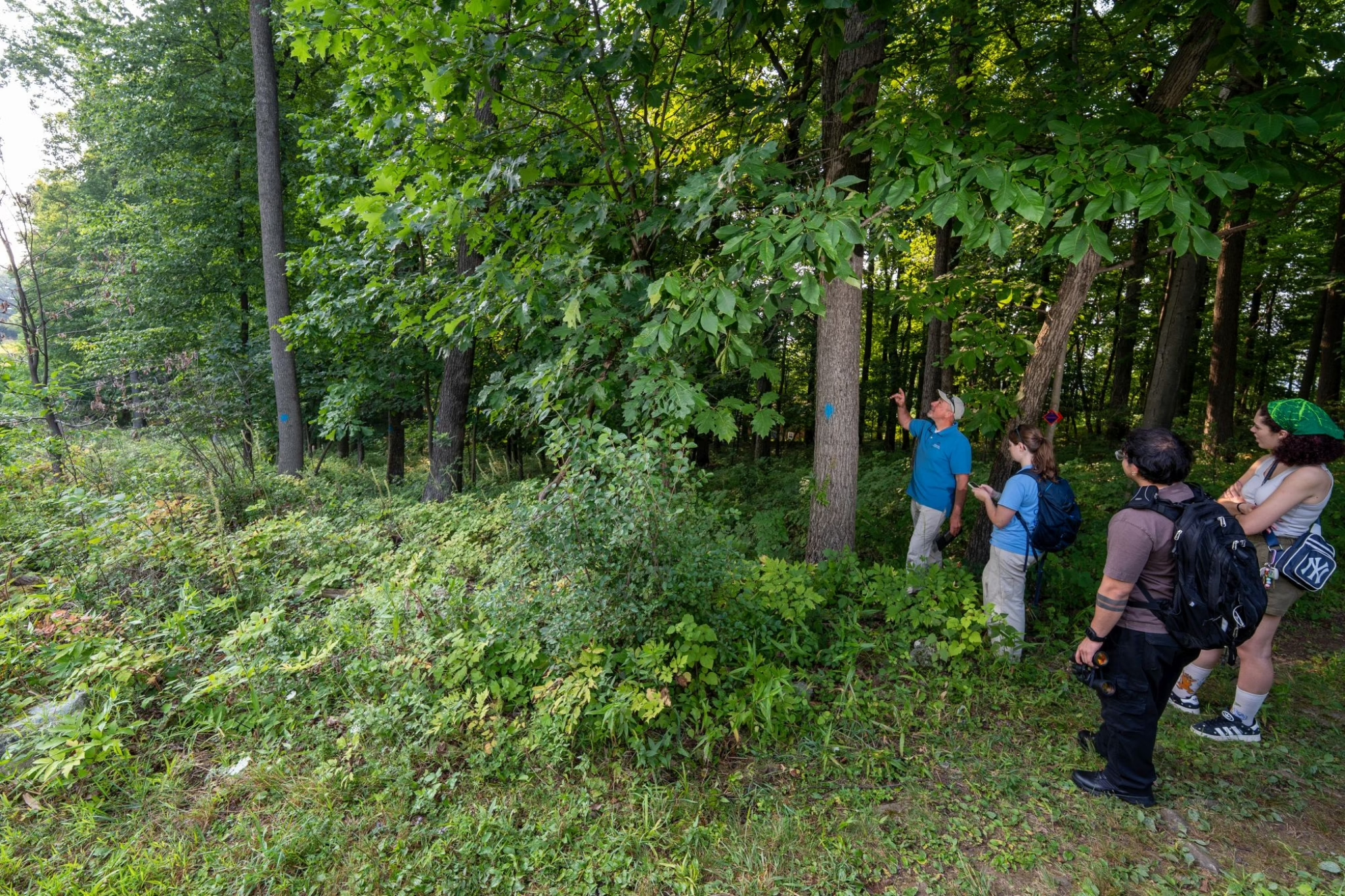
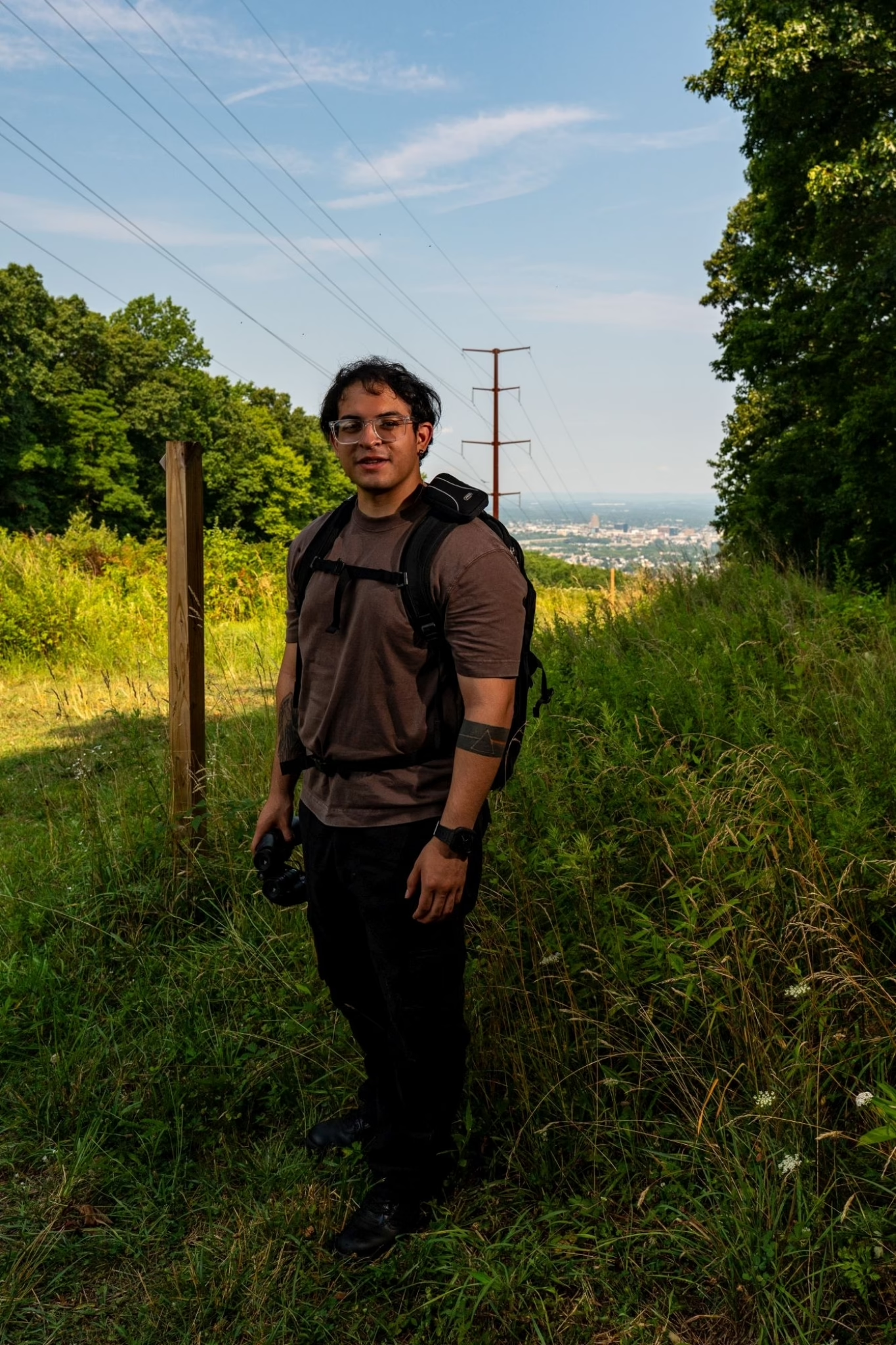
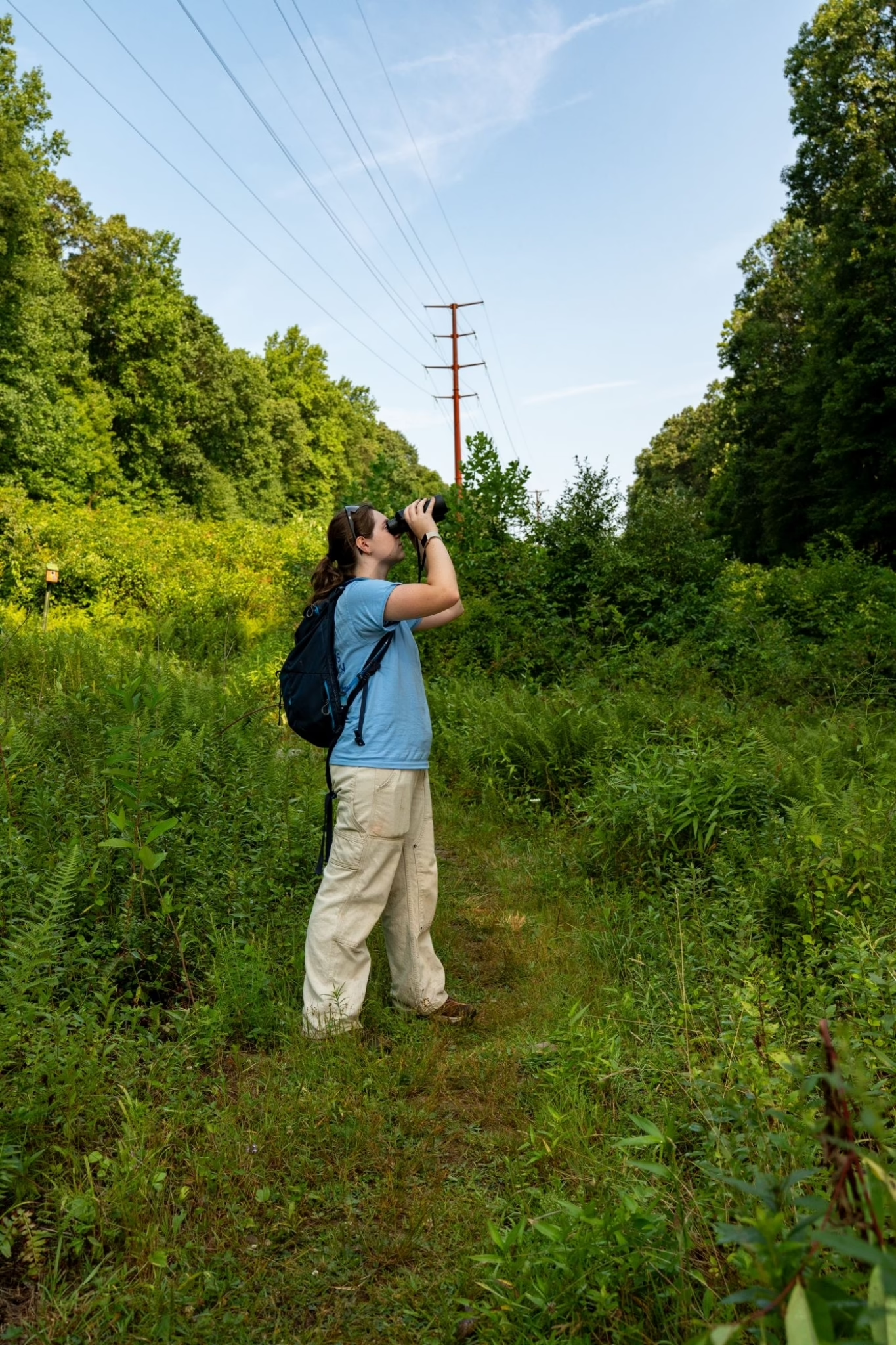
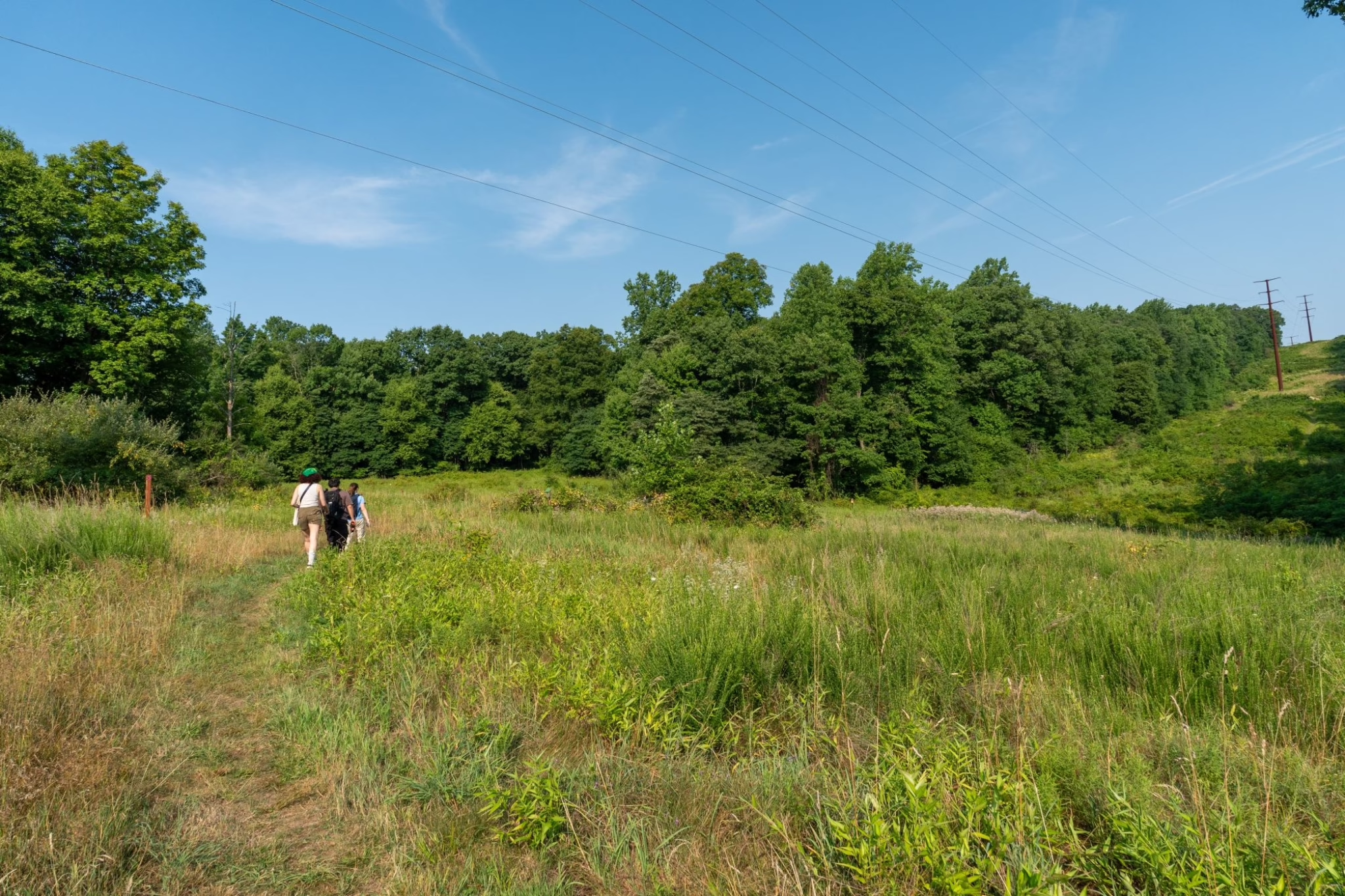
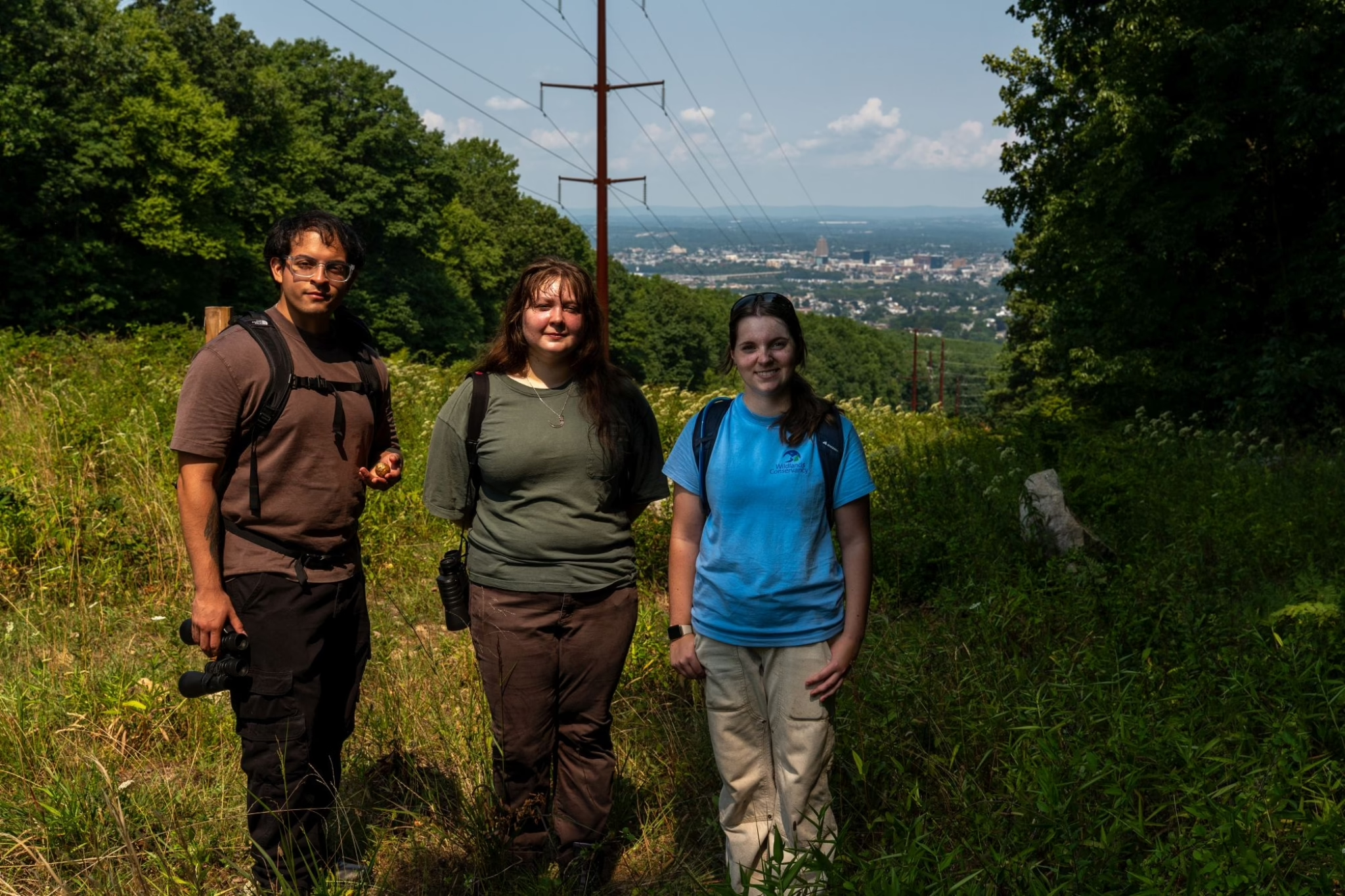
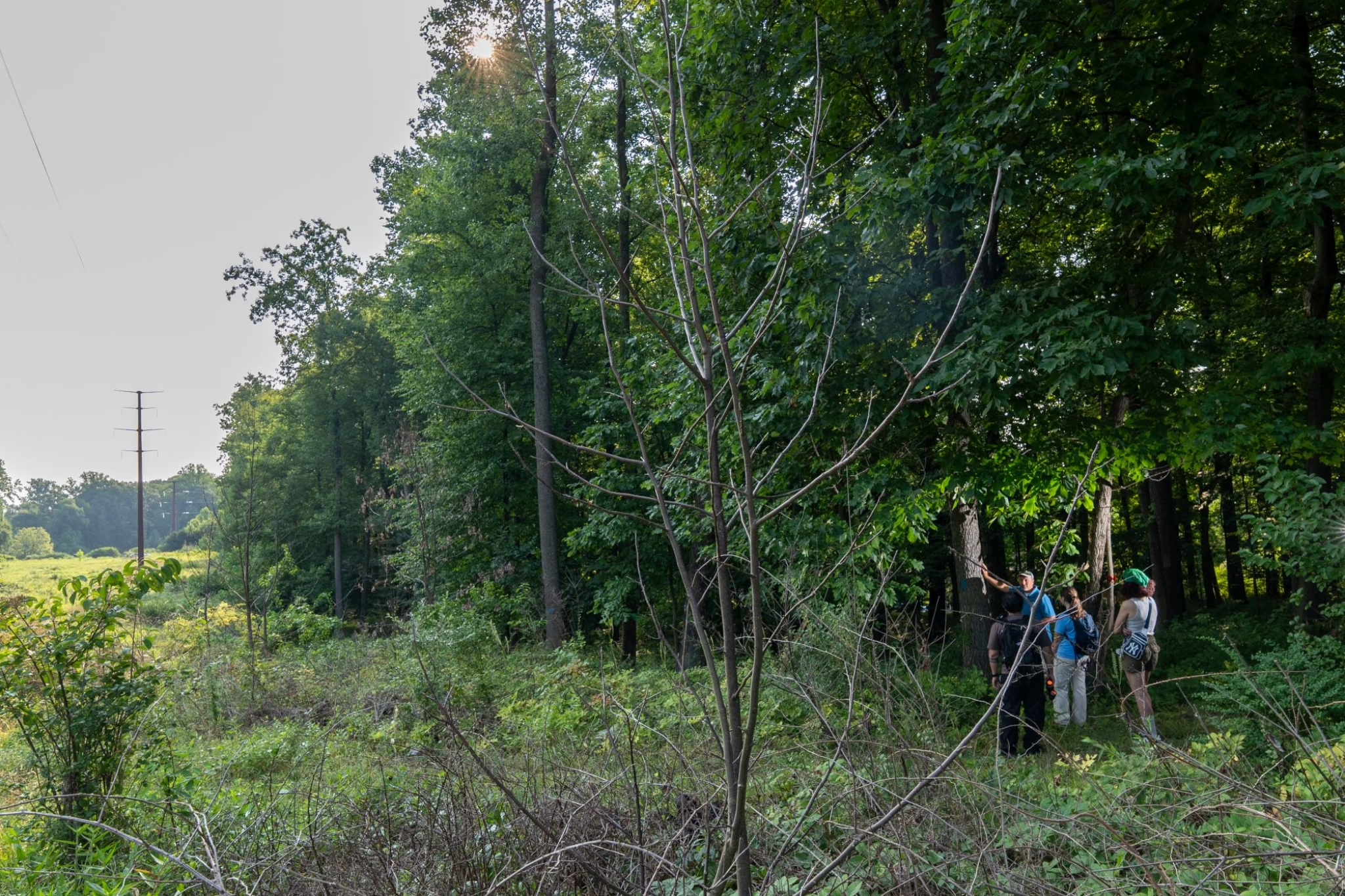
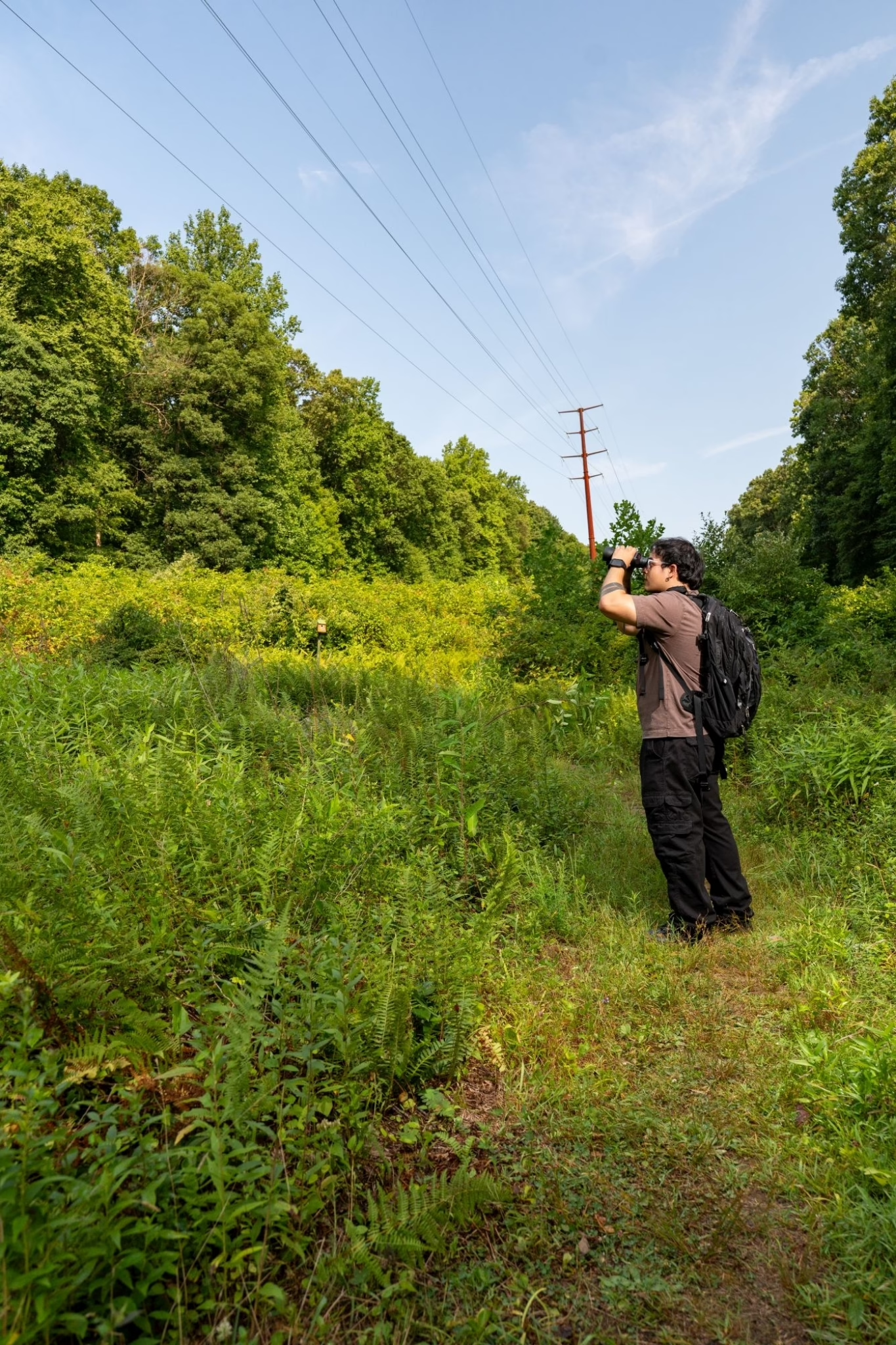
Over the summer, Wildlands Conservancy’s Director of Property Stewardship Carl Martin worked with a crew of three conservation interns, Abigail LaRussa, Christopher Tito, and Myah Brody. Photos by Steve Miller
The years-long effort, with collaboration from the state Game Commission and Department of Conservation and Natural Resources, as well as Wildlands interns, could become a model for other PPL right-of-ways and landowners, funneling out to become an example used statewide to promote thoughtful, balanced stewardship.
“We’re trying to help our partner with management of their transmission corridor, but at the same time, increasing the conservation value of that transmission corridor,” Carl Martin, Wildlands’ director of property stewardship, said. “That’s pretty powerful.”
From ‘U’ to ‘V’
The project involves active management to increase conservation value in and beyond the right-of-way, transforming the shape of the 150-foot-wide, 20-acre-long corridor and blending it to create a smooth transition from meadow to forest.
“If you look down the corridor, you see this U-shape,” Martin said, explaining the project will make the corridor more of a V-shape, and turn the straight line down wavy, like the way a river cuts through a landscape.
Steps include removing non-native, invasive plants, like autumn olive, multiflora rose, bush honeysuckle and barberry, in the right-of-way. In the buffer, they’ll be cutting down trees to make a softer edge, creating gradual vegetation growth from transitional cover to woody species, like viburnum, blueberry, elderberry and raspberry, as well as persimmon and paw paw.
“We’re getting rid of the non-native plants to increase species composition and species diversity,” Martin said. “Then, as we get beyond the right-of-way, we’re getting into the buffer zone, and we’re creating more species diversity because we’re managing the light, which allows different species that aren’t there currently to grow.
“We are also changing the structural diversity, which is managing all the layers of the forest and creating different age classes within that buffer zone.”
Get out here for the Future of the Right-Of-Way Stewardship Tours!
Led by Carl Martin, explore the project site at Black River Sanctuary in Bethlehem, Pennsylvania.
Danger, hazard trees
Part of the project includes felling trees that are considered either danger or hazard to PPL’s transmission lines, which distribute electricity throughout the region.
Danger trees are those tall enough they could fall and damage conductors, Zack Meister, PPL transmission forester, said. They can become hazard trees when rotted, dying or dead, posing a higher risk of falling.
Clearing these trees are important, he said, because “there’s the likelihood that they strike the power lines, and then folks are out of power” and repairs could be expensive.
Last year, Martin and PPL foresters walked the property to determine which trees beyond the right-of-way could pose a threat to the transmission lines. Sanctuary visitors might see them — they’re marked with blue spray paint.
By clearing both hazard and danger trees, as well as those that could pose a risk in the future, the project is mutually beneficial, Robert Spampinato, PPL forester, said.
“It does very significantly limit the risk in these areas for potential issues to happen, because not only are the trees that PPL are targeting taken out, but also additionally any tree that can strike is taken out,” he said.
Tim Dugan, district forester for the Delaware Forest District, has worked with PPL often to manage habitat due to the several major transmission lines through state forest land in Pike and Monroe counties.
“A challenge in utility right-of-ways is that they want plants to grow, but only to a certain extent,” he said. “And the hardship is when you’re halting succession and keeping it at 10 feet or less high, a lot of invasive plants thrive in that setting.”
The Bureau of Forestry, part of the DCNR, works with utility providers to keep infrastructure clear while stewarding the land. Looking at data from the past 10 years, Dugan has seen a marked decline in invasive plants and higher conservation value through the partnership.
A species of conservation conern
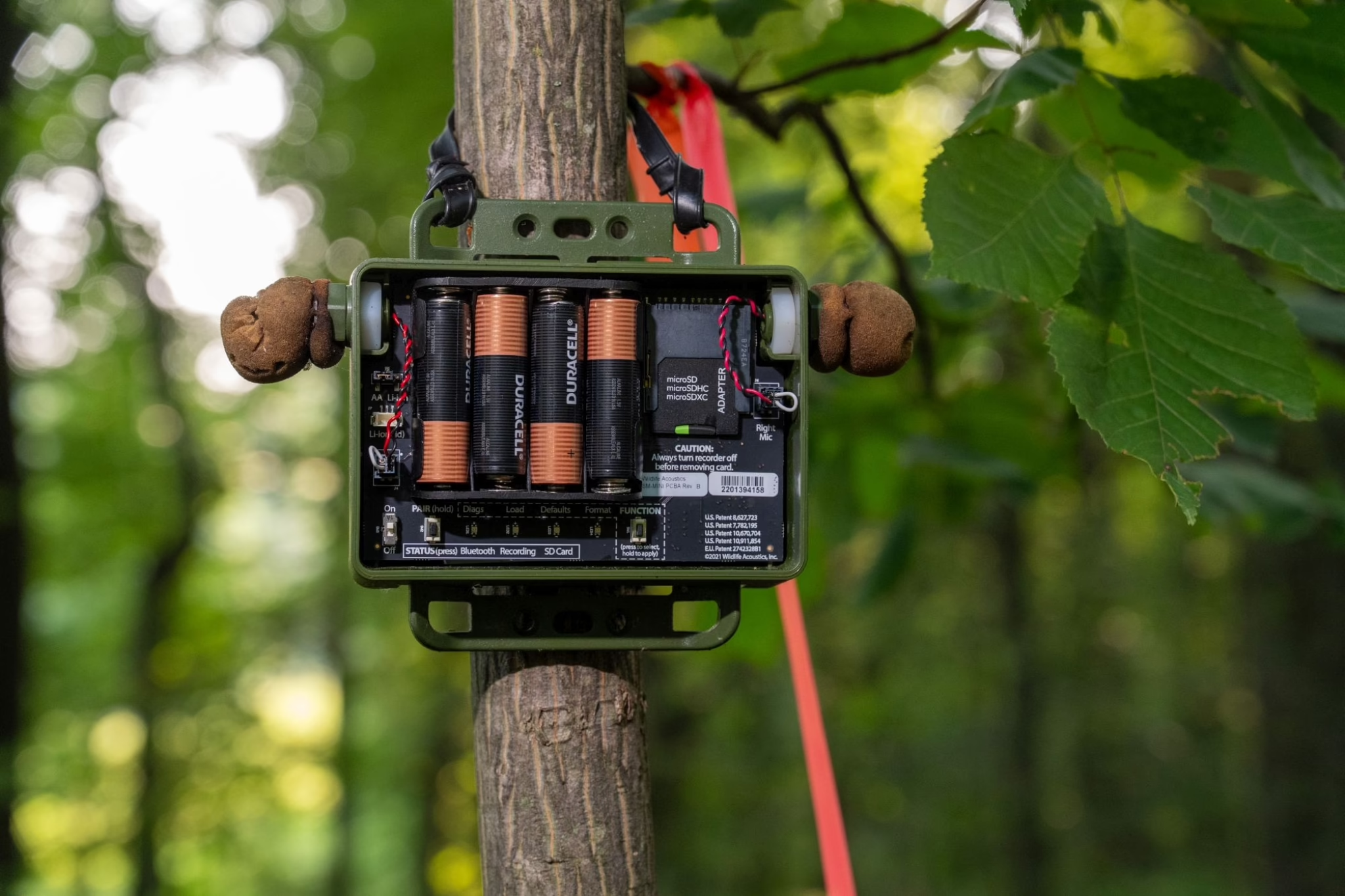
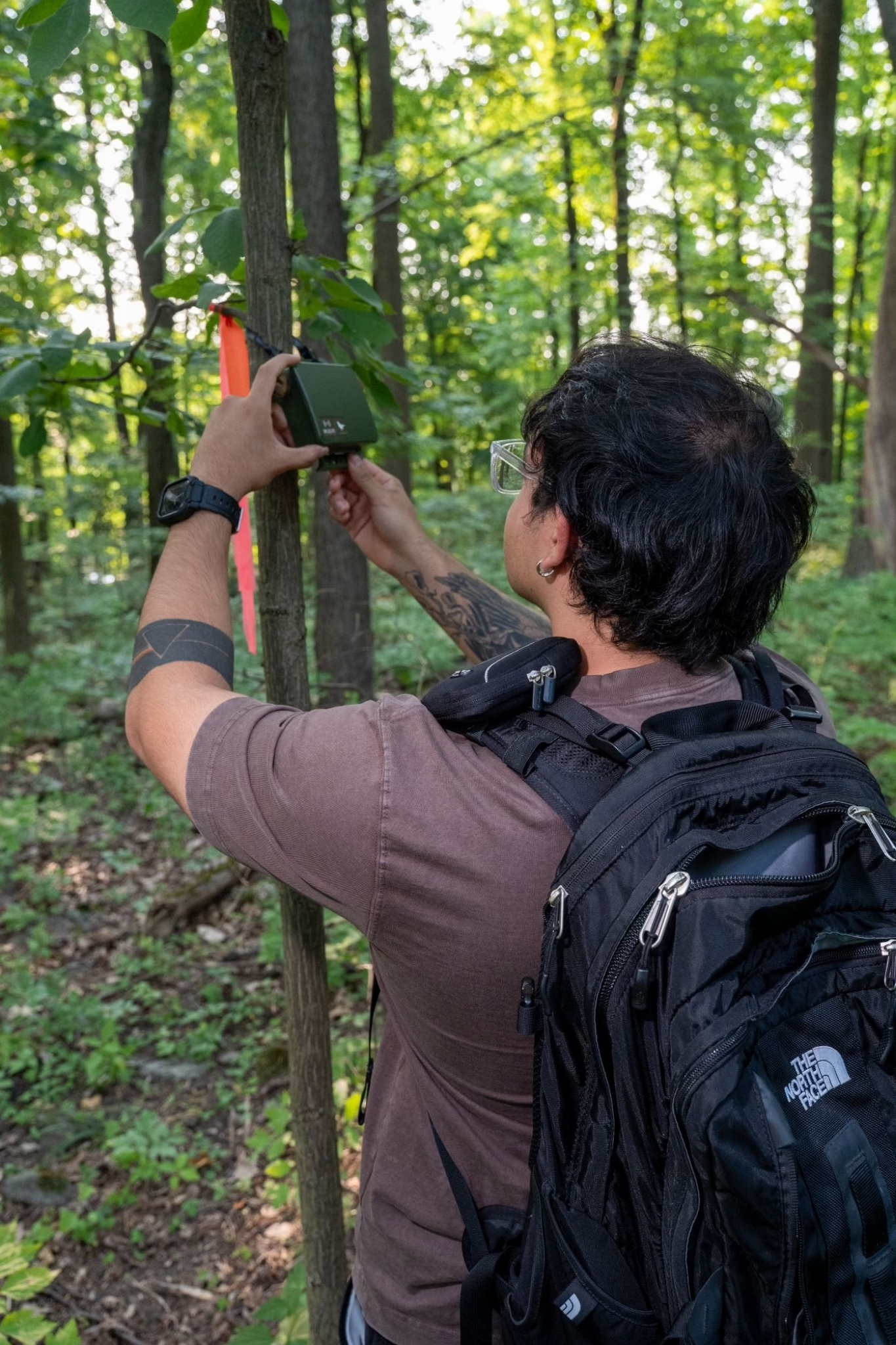
Martin, with the help of Wildlands interns, has been conducting avian inventories at the sanctuary using autonomous recording units, or ARUs, which record bird vocalizations, as well as point count surveys, to find out what species call the sanctuary home.
“What we were finding as we did our avian data crunching was that we had some species that we wanted to pay a little bit closer attention to, namely wood thrush,” Martin said.
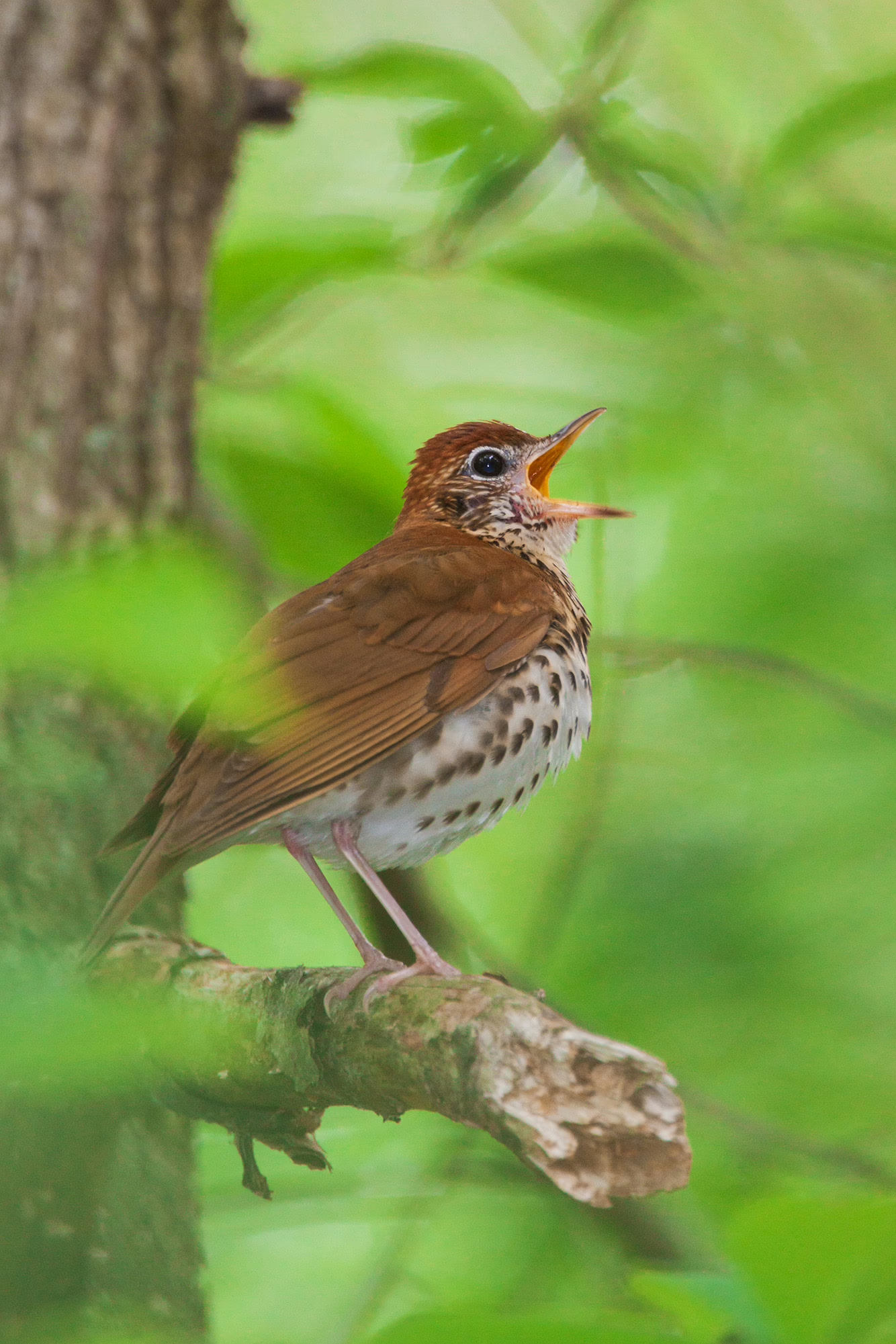
Wood thrush are a neo-tropical migratory species, and one of a number of thrushes that can be found across Pennsylvania. About the size of their cousin the robin, wood thrush have a brown and slightly reddish back and head with a spotted breast. Whether here or in their wintering grounds in Central America, they live in forested habitats.
“You don’t really see them that often, but you hear them,” said Dan Mummert, Wildlife Biologist for the state Game Commission’s Southeast Region. “They have absolutely one of the most beautiful songs of all the birds here in Pennsylvania.
“If you hear a flute-like song in the woods, it could very well be a wood thrush.”
While still considered fairly common, with an estimated 1.3 million across the commonwealth, wood thrush populations have been steadily declining, Mummert said. Estimates show about half Pennsylvania’s population has been lost since about the mid-1960s due habitat loss, window strikes and predation.
“They’re considered a species of conservation concern here in Pennsylvania, and they’re also considered a PA responsibility species, and that’s because about 8.5% of the entire world’s population of wood thrush nest here in Pennsylvania,” Mummert said. “Because of that, it’s so important that we’re conserving and providing good forested habitat for these birds.”
For wood thrush, mature forest may be their preferred nesting space, but they use meadowland to find food, so balancing both is important, Martin said. If the focus is solely on the forest, it would be like if a person set up a home with only a bedroom and forgot all about a kitchen.
During a recent point count survey, interns arrived at the sanctuary at 5 a.m. to listen for wood thrush calls and record their locations. This project marked the first time Abigail LaRussa, a junior at University of Delaware majoring in environmental science with a concentration in ecoscience, participated in an avian survey.
“I think it’s really rewarding to be a part of a small portion of stewardship, which is why I went into environmental science in the first place,” LaRussa said. “It was to get more involved in protecting the environment, because it’s something that I’m passionate about. Being able to see just the behind-the-scenes of what happens is really cool.”
Using data from the six point counts conducted this year, Martin will be able to note no-touch or light-touch areas, preserving wood thrush habitat. He plans to continuously monitor the project’s impacts in the coming years.
“We’ve got win-win-win-win across the board by managing this buffer,” Martin said. “If you account for the increase conservation value, extra habitat for wood thrush, infrastructure security for PPL and fantastic savings for PPL, which translates to increased savings for PPL customers.”
Wildlands Conservancy acknowledges the support of its giving community, especially PPL Foundation, Pennsylvania Game Commission and Department of Conservation and Natural Resources, TC Energy, United Way of the Greater Lehigh Valley, Lehigh Valley Road Runners, Emmaus Rotary Club, John A. and Margaret Post Foundation, Rotary Club of Allentown, and private donors for making the stewardship of the powerline right-of-way at Black River Sanctuary possible.
People like YOU make conservation like this possible! GIVE TODAY!
About Molly Bilinski

Molly Bilinski is an award-winning journalist and storyteller based in Monroe County. She’s written for the Spotlight PA, LehighValleyNews.com, The Morning Call, The Press of Atlantic City, and the Reading Eagle, among others. When she’s not writing, she can usually be found reading, baking or out exploring the many parks, trails and preserves in the Poconos and the Lehigh Valley. Find her on Instagram and LinkedIn.
Stay up to date with what’s happening out here at Wildlands Conservancy! Get stories like this in your inbox by joining our newsletter.
JOIN OUR NEWSLETTER
RELATED POSTS
-
Tips & Tricks for Dealing with Ticks: Preventing Tick Bites in PennsylvaniaSo, you want to enjoy a nice walk in the woods, but you want to be smart about tick safety at the same time? Wildlands Conservancy is here to provide several steps you can take to help prevent tick bites. Did you know that reducing exposure is your best defense against tick-borne diseases? Do you […]
-
Wildlands Conservancy brings prescribed fire back to Maple Tract PreserveBy Molly Bilinski maple tract For the first time in nearly a century, Wildlands Conservancy has brought fire back to Maple Tract Preserve. Wildlands last fall held a prescribed burn on a little over 30-acre portion of the remnant mesic till barrens, an ultra-rare ecosystem within the preserve that’s home to several species of trees […]