Tips & Tricks for Dealing with Ticks: Preventing Tick Bites in Pennsylvania
So, you want to enjoy a nice walk in the woods, but you want to be smart about tick safety at the same time? Wildlands Conservancy is here to provide several steps you can take to help prevent tick bites. Did you know that reducing exposure is your best defense against tick-borne diseases? Do you know what to do if you get bitten by a tick? Read on for Tips & Tricks for Dealing with Ticks! Plus, enter for your chance to win a Tick Tips & Tricks Kit and unlock tick-safe, summer fun with the Tick Key, a lint roller, high socks, bug spray, and Wildlands Conservancy merch.
Preventing Tick Bites
Before you go outside
DO: Treat clothing and outdoor gear. For the best tick prevention, use Environmental Protection Agency (EPA)-registered insect repellents with the active ingredients including DEET, Picaridin, Oil of Lemon Eucalyptus (OLE), or Permethrin. For a full list of deterrents and their pros and precautions, visit the Center for Disease (CDC) to see what best suits your needs.
Note: DO NOT use Permethrin if you have cats. Permethrin and permethrin-treated clothing, gear, and dogs are extremely toxic to cats.
DO: Wear light-colored clothing. It’s easier to spot a tick climbing on you if it’s contrasted by a light-gray pair of pants or a pastel blue shirt. DO NOT let ticks camouflage on a pair of camo pants or black leggings.
DO: Plan your hike for dry spells. Tick populations drop when total precipitation drops. Dry, hot conditions lead to fewer ticks. And conversely, humidity and frequent rain make the perfect conditions for ticks to thrive.
Once you’re outside
DO: Stay on the trail. A gravel or mulch path will protect you from tick exposure. Ticks do not like to traverse gravel and mulch. To avoid contact with ticks, DON’T brush along high grass and stomp through leaf litter.
Ticks really like hanging out in high grass. There, they do what is known as “questing,” which involves anchoring their bodies by their hind legs and using sensory detection to latch on to a viable host with their front legs when it passes by. Simply put, these bloodsuckers (pun intended) are sci-fi horror heatmap readers!
DO: Tuck your pants into socks. Allowing fewer entry points for ticks to get to your skin prevents them from biting you.
Before you drive home
DO: Keep a lint roller in the car to use it to do a head-to-toe roll before driving back home, paying special attention to your shoes, socks, and lower legs. Doing this helps pick hard-to-see ticks, like those in the nymph stage, stopping them in their track before they have a chance to attach!
Once you’re back inside
DO: Immediately change your clothes. Ticks hitch a ride on your clothes before making it to a spot to feed. Changing and doing a quick tick check is one of the best ways to prevent bites.
DO: Put your outside clothes in the dryer. A high-heat tumble in the dryer for about 6 minutes kills 95% of all ticks, adult and nymph, according to a 2016 study. DO NOT expect a spin in the washer alone to kill ticks stuck to clothes.
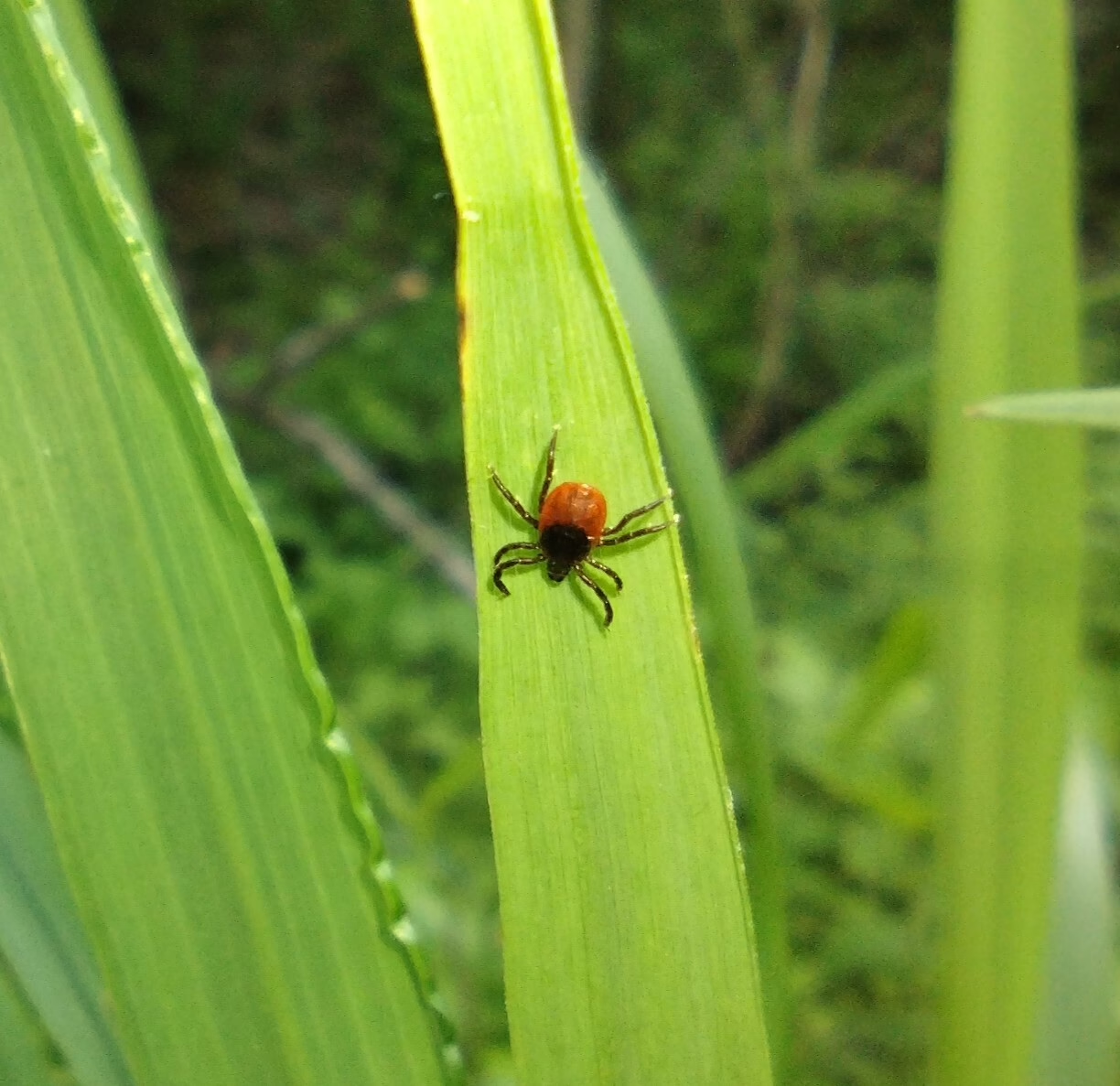
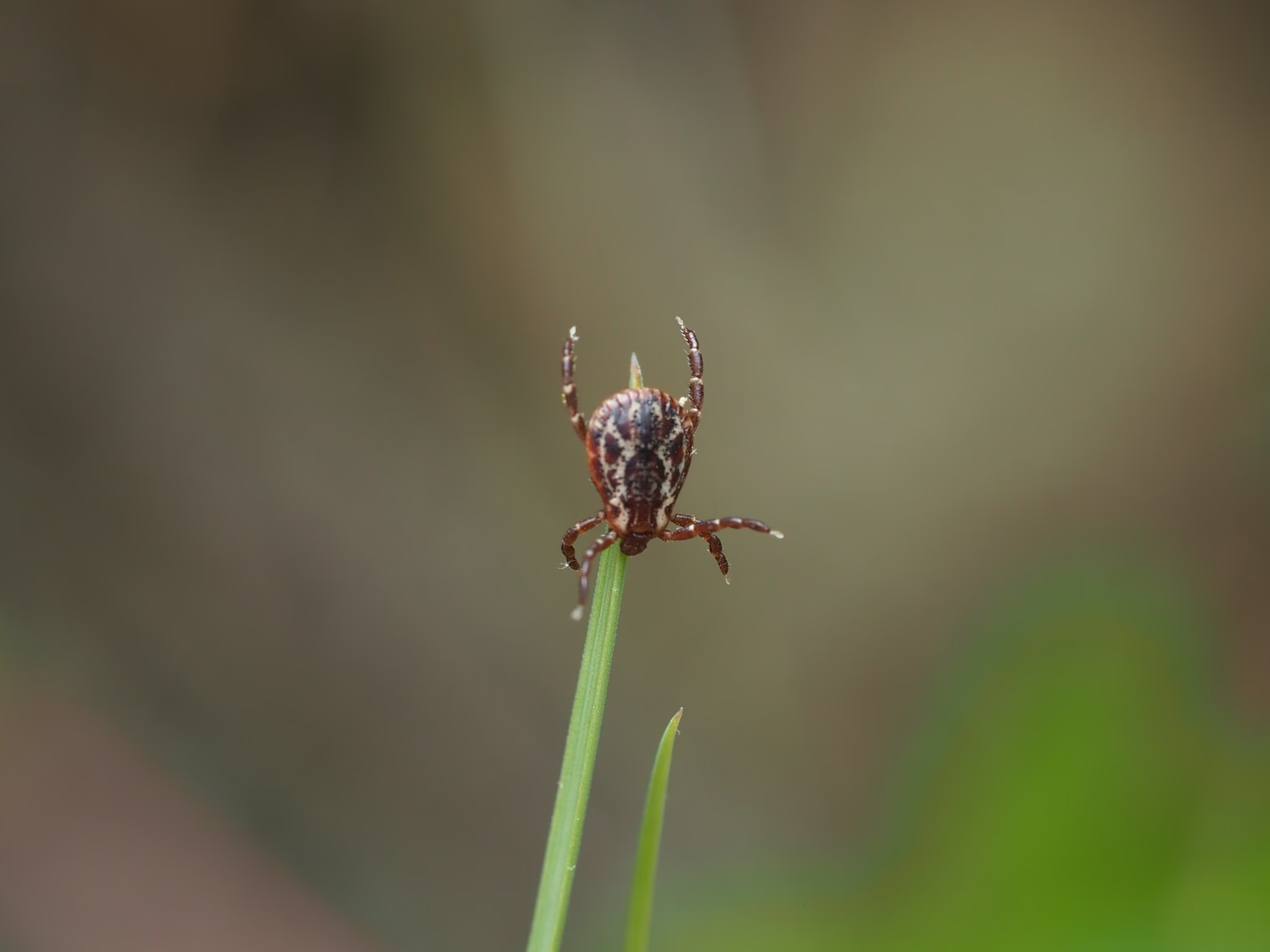
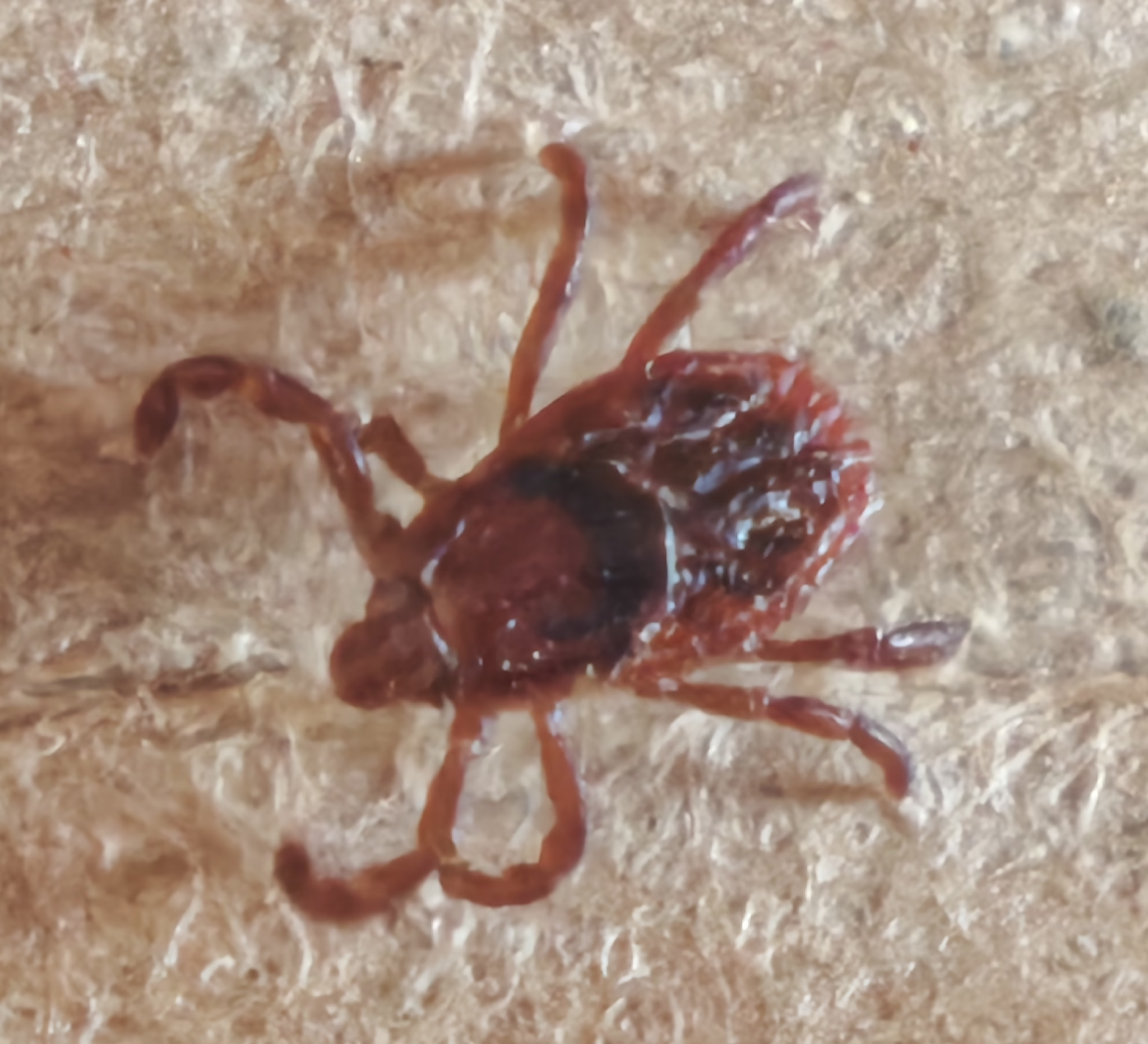
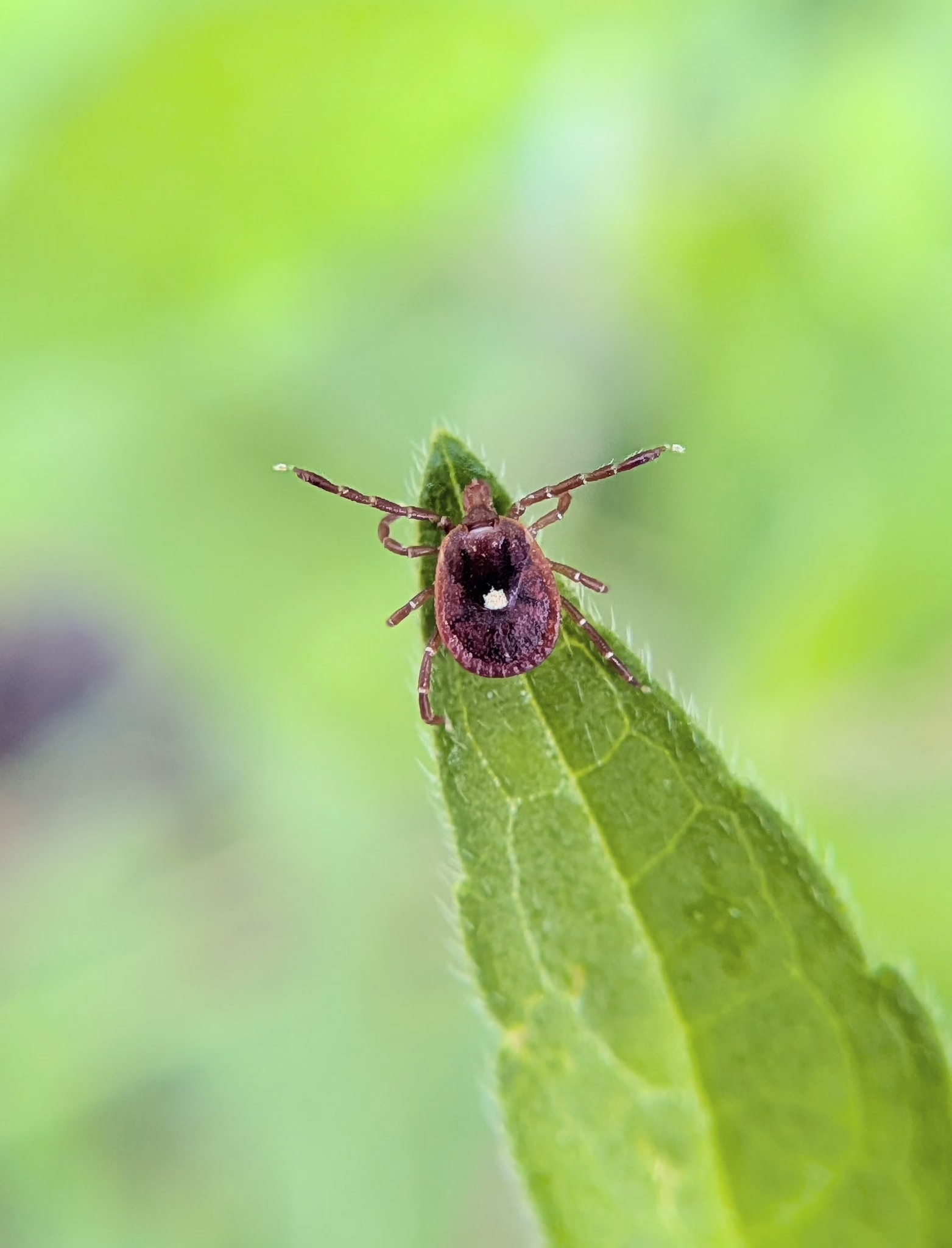
DO: Know the types of ticks in your neck of the woods. Pennsylvania has hundreds of tick species, but people contract most tick-borne illnesses from blacklegged ticks, dog ticks, and lone star ticks. Click HERE for a tick identification guide.
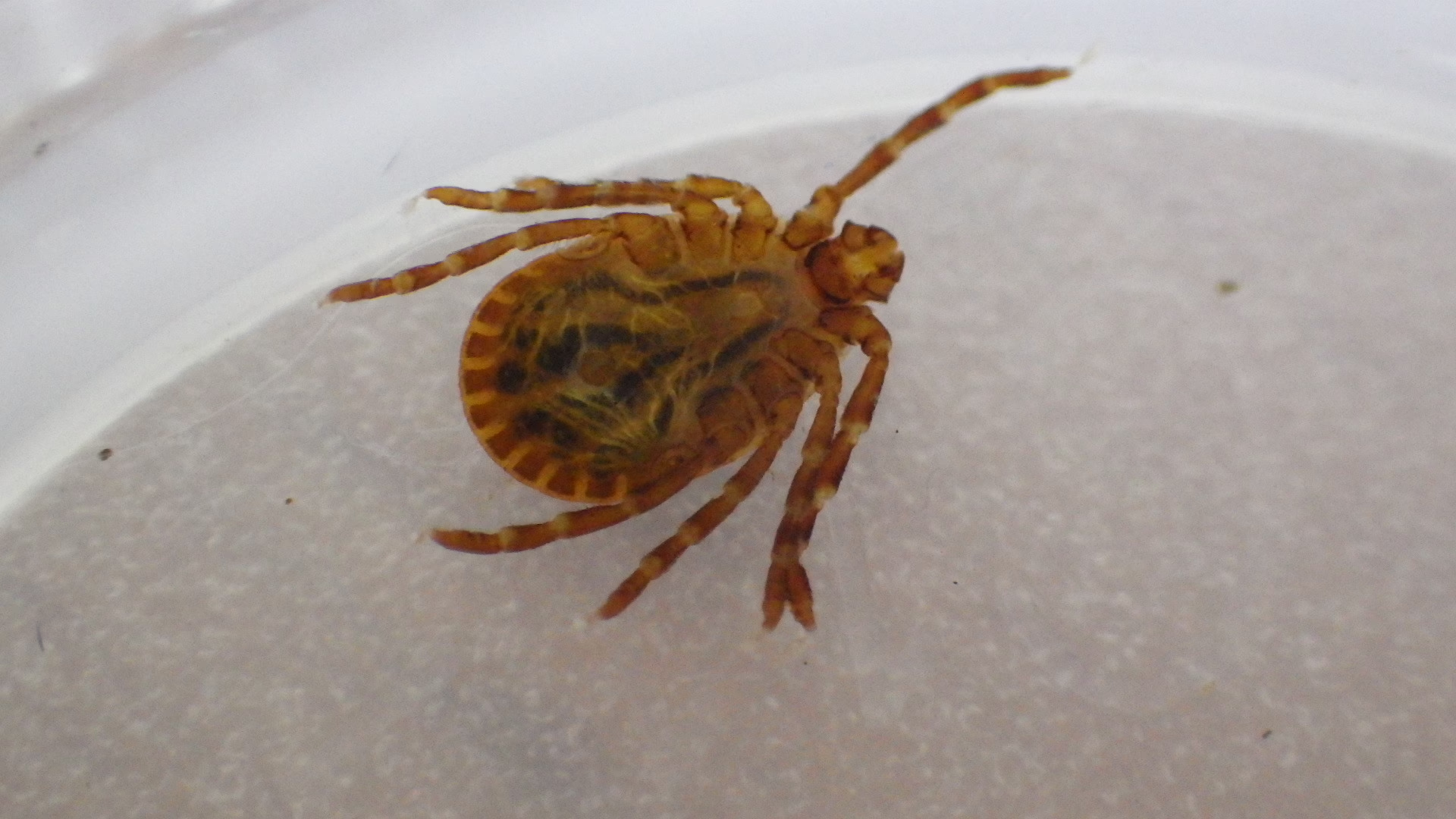
What To Do If You’ve Been Bitten
DO: Promptly remove the whole tick. Use pointed tweezers or a tick tool like the TickKey to get as close as possible to the skin and pull back slowly to ease the tick head out. Wash the site with soap, water, and rubbing alcohol or antiseptic. DO NOT: Squeeze the body of the tick or apply petroleum jelly to the attached tick, as this could cause infected fluid from the tick to enter through your skin.
If you suspect the tick has been attached for 36 hours or more, or if you see a rash expanding from the site, DO: Visit your primary care physician.
DO: Send your tick to a tick testing lab, such as the Tick Research Lab of Pennsylvania or TickCheck.
One last tip for dealing with ticks
DON’T let them keep you indoors. DO safely enjoy nature during tick season with these tips and tricks.
So now you know, we like connecting with nature, but we ask you to “touch grass” figuratively – stay far away from tall grass and tick encounters. And get out here in style, because all the cool kids are tucking their pants into their socks these days.
Wildlands Conservancy is here to be your guide, from offering guided hikes to mapping your next hike at one of our 14 nature preserves, and talking about ticks along the way.
Did you know? Contrary to popular belief, opossums are not the awesome tick predators folks think they are. We love ya, opossums, but foxes are the real MVP (Most Valuable Predators) here! Yes, the more wily foxes that live in the forest, the fewer the ticks and tick-borne illnesses.
Stay up to date with what’s happening out here at Wildlands Conservancy! Get stories like this in your inbox by joining our newsletter.
JOIN OUR NEWSLETTER
RELATED POSTS
-
15 Awesome Opossum FactsOpossums – not to be confused with possums – can be found in their wild habitat, at Wildlands Conservancy’s 14 nature preserves, AND even in your backyard. However, these very common creatures are often overlooked. They are so much more special than many people realize. Read on to learn 15 Awesome Opossum Facts! Photos by: Skip Cook […]
-
15 Fascinating Facts about WeaselsDo you want to learn about the small but mighty weasel that lives right here in the Pennsylvania wilds? This region is home to three species of weasel: the long-tailed weasel (Neogale frenata), the short-tailed weasel (Mustela erminea), also known as ermine or stoat, and the least weasel (Mustela nivalis). Don’t let the weasel’s size […]
-
15 WILD Fox Facts that Might Amaze YouSo, you want to know more about the wily red fox who calls South Mountain home? While the red fox is considered common in our neck of the woods, there’s a world of lesser-known facts that make this creature both curious and fascinating. Read on for 15 wild fox facts that might amaze you! Photos […]
-
15 WILD Owl Facts That Will Give You a HOOTPennsylvania’s native owls are more frequently heard than seen. And some species ask the darndest things? Like “WHO cooks for you?” While others will have you thinking there’s a horse…in a tree…in the woods…in the middle of the night. Locally, their elusive and often nocturnal activity keeps us curious about these stealthy and silent fliers. […]
-
7 Showy Pennsylvania Trees You Must See this Spring!By: Andrew Conboy trees The face-numbing winds, scarce daylight, and dormant vegetation of winter invite us to slow down, reflect, and relax. I do enjoy the first month or two of this slow season. But come early March, I long for the procession of rejuvenating blooms, fragrances, and flushes of green, delicate growth. Did the […]
-
Catching Up on the Career Path: Dwight and SarahOne-time environmental educators Sarah Kovalchick and Dwight Holloway are pursuing their lifelong passions to work in the great outdoors. We caught up with them on their conservation career paths and learned how Wildlands helped prepare them for their present roles. Sarah is living her park-ranger dreams, thanks to her experience with Wildlands! From Wildlands […]