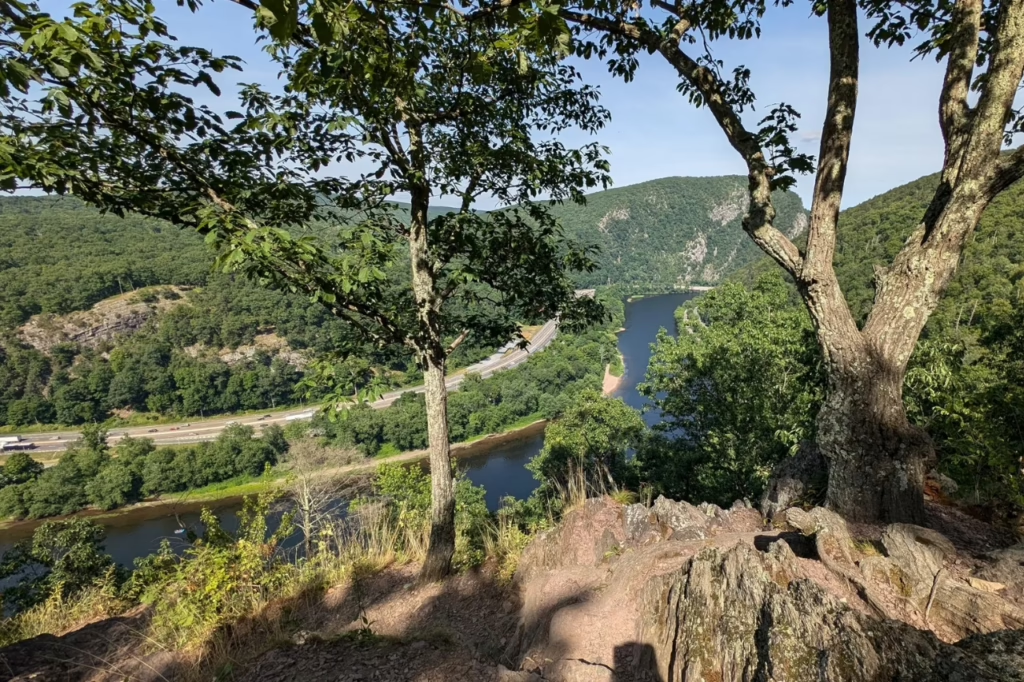
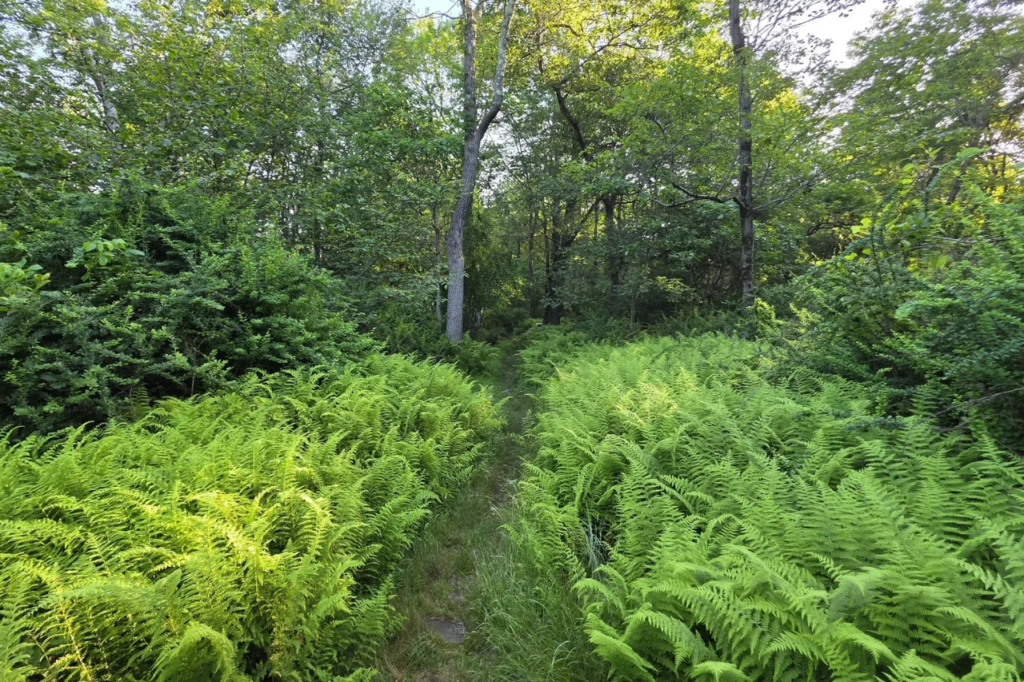


Cherry Valley National Wildlife Refuge, established in 2008 and managed by the U.S. Fish & Wildlife Service, protects vital wetland, upland, and forested habitats in Monroe County, Pennsylvania. Nestled along the Kittatinny Ridge flyway, the refuge plays a key role in safeguarding federally listed threatened and endangered species, offering refuge to more than 140 bird species and serving as a corridor for up to 20,000 migrating raptors each fall. Encompassing a mosaic of clean trout streams, seasonal wetlands, interior forests, and open meadows, Cherry Valley is part of a broader conservation landscape covering tens of thousands of acres between Wind Gap and the Delaware Water Gap. Its landscapes offer both ecological richness and a peaceful, uncrowded outdoor experience.
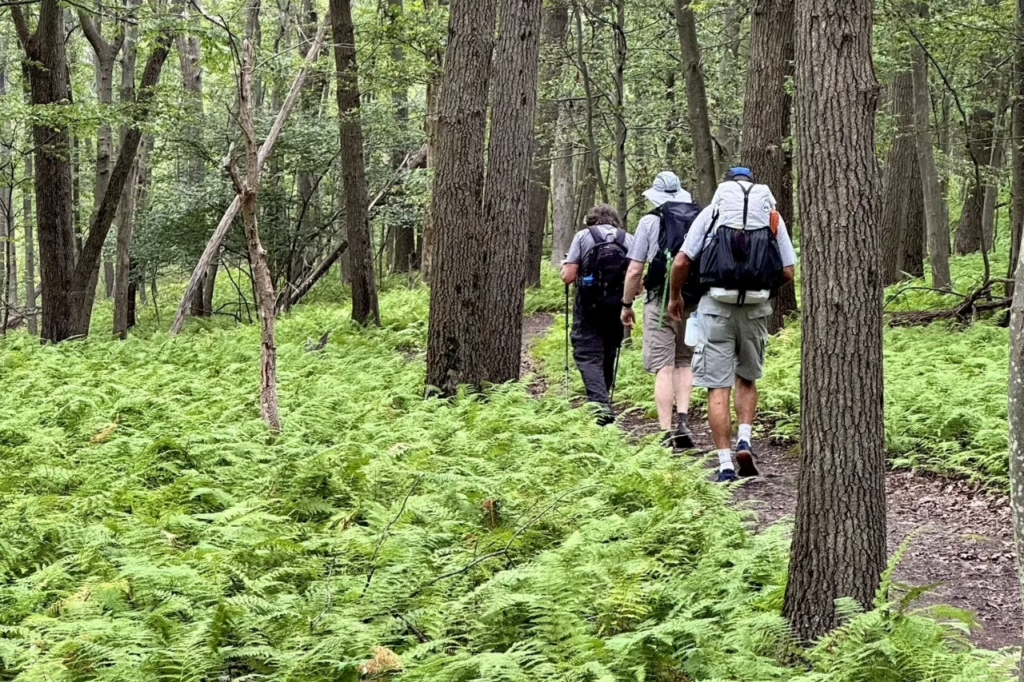
Front Nine Trail & Back Nine Trail are two paved loops that are 1.7 miles each, totaling about 3.4 miles. These scenic routes follow smooth cart-paths, crossing Cherry Creek and winding through pollinator meadows and wetlands. They are universally accessible for strollers and wheelchairs, with some hilly sections for fitness seekers. Cherry Valley Ridge Trail is a more rugged 3.2-mile dirt/gravel trail near Saylorsburg, climbing through upland oak/pine forests and brushy fields, with a wildlife viewing blind and interpretive kiosk along the way. All trails are open year-round (unpaved routes are not maintained in winter), and signage and kiosks help visitors navigate and identify ecological features.
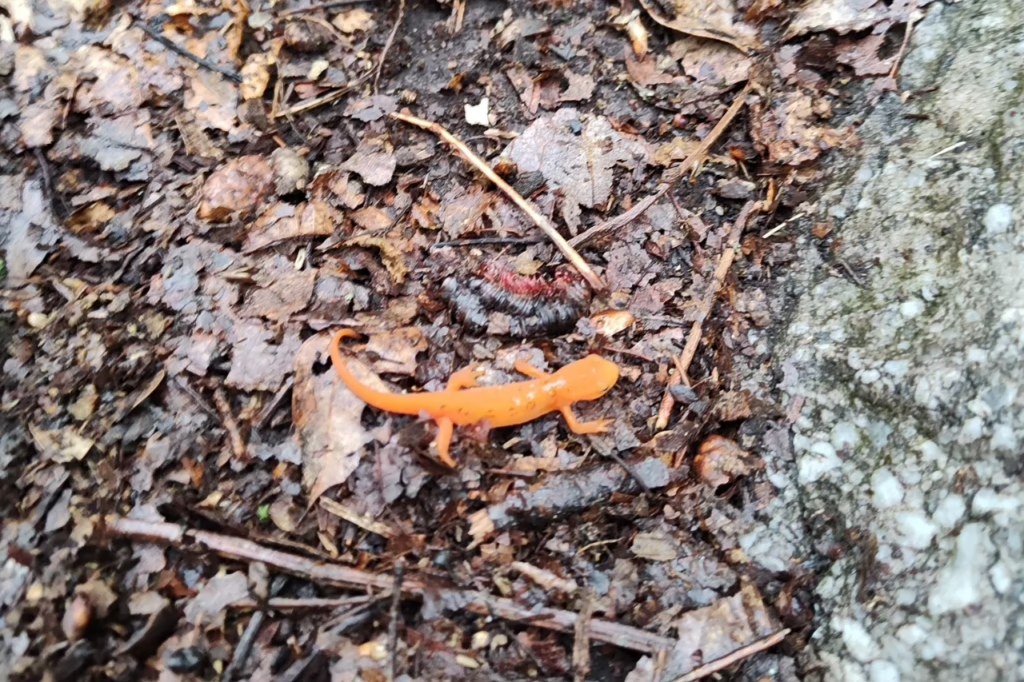
The refuge supports a thriving assemblage of native species, including federally protected bog turtles, American eels, dwarf wedge mussels, and the spreading globeflower, as well as abundant black bears, bobcats, beavers, river otters, and muskrats. Its location along the Kittatinny Ridge makes it a critical stopover during fall raptor migration, where up to 20,000 hawks, falcons, and eagles pass through each year. Within the open fields bordering Cherry Creek, you might spot wild turkeys, warblers, frogs calling in the wetlands, or even a bald eagle perched above the water. Catch-and-release fishing for native brook trout is offered along Cherry Creek with a valid PA license and limited refuge permit (three per day).
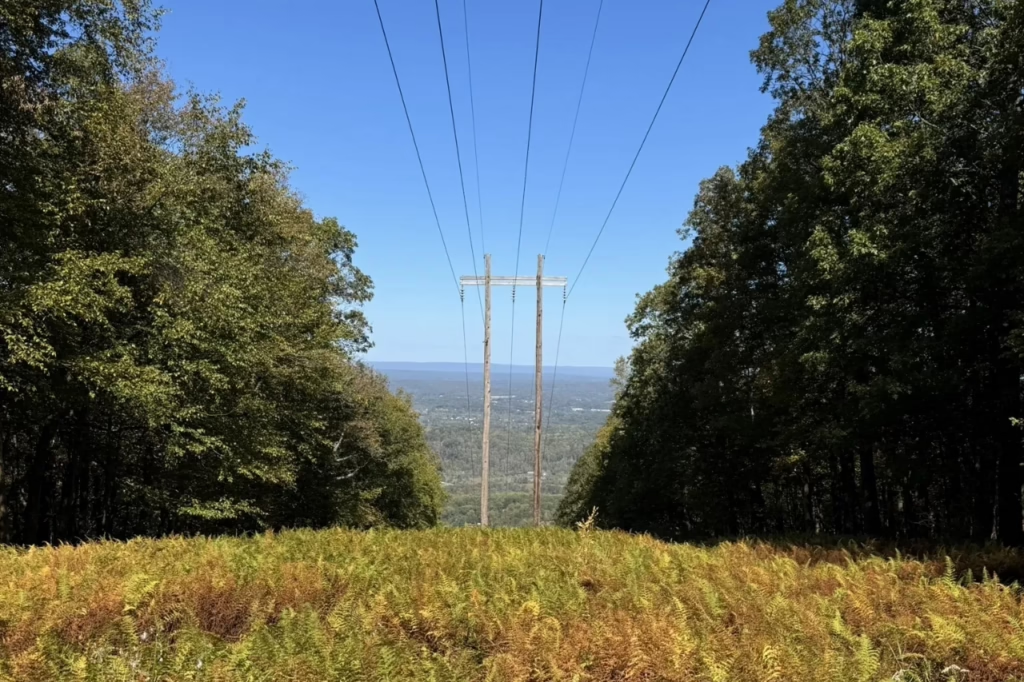
Cherry Valley’s plant communities span a dynamic mixture of landscapes, progressing from wetland grasses and sedges in riparian zones to pollinator meadows, shrubbier transitional uplands, and interior hardwood forests along the ridge. These varied habitats support shrubland regeneration and stabilize stream banks while offering forage and shelter for migrating birds and amphibians. The site is characterized by Oak, Hickory, Maple, and Pitch Pine communities mingled with meadow grasses and floodplain flora, reflecting a long history of restoration from former agricultural and golf course lands. Adaptive habitat restoration projects continue to reintroduce native wildflowers and grasses and establish riparian buffers, improving ecological structure and pollinator support.
The refuge’s formal establishment in 2008 was the culmination of nearly a decade of collaboration among The Nature Conservancy, the Friends of Cherry Valley, local government, and the U.S. Fish & Wildlife Service. The unity of these groups preserved what had once been fragmented farmland, golf course properties, and forest tracts into a unified refuge footprint of over 5,000 acres with an acquisition boundary of over 20,000 acres.
For More Information: