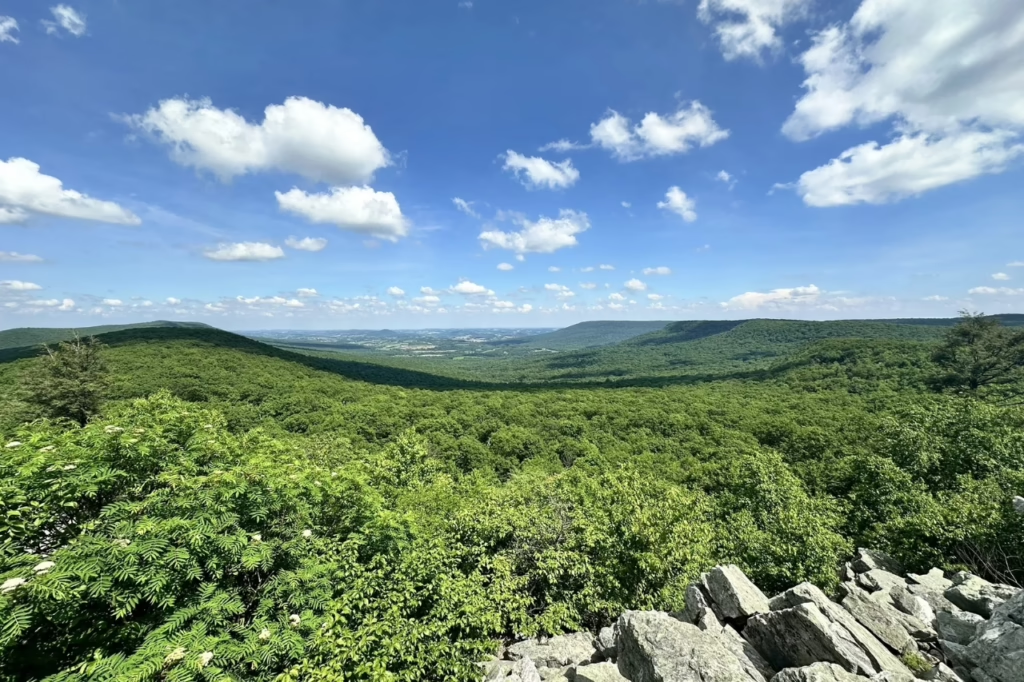
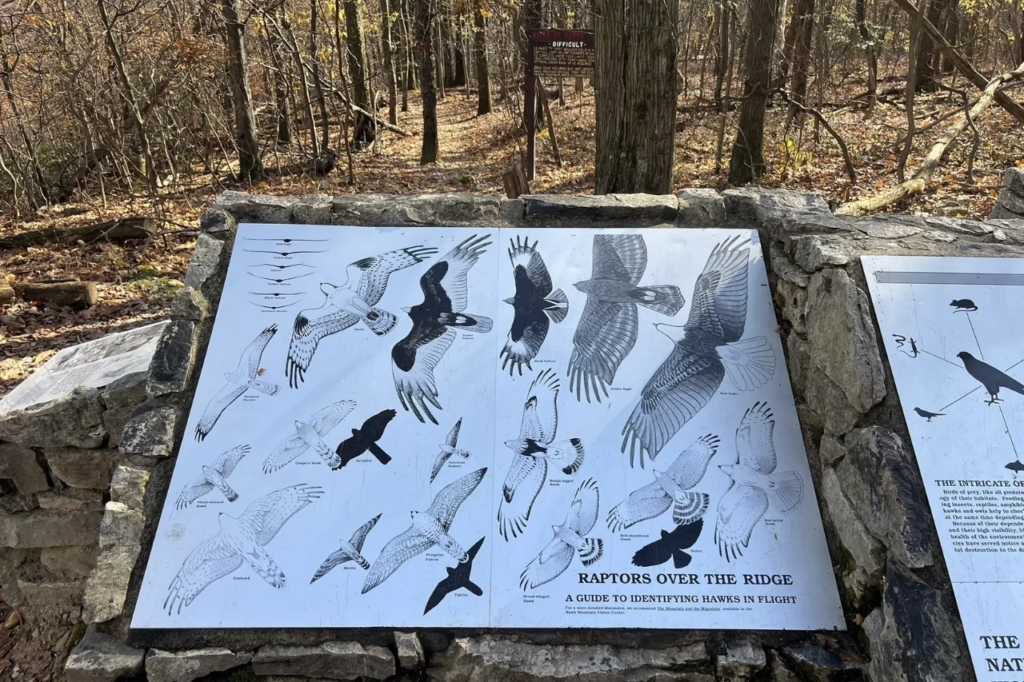
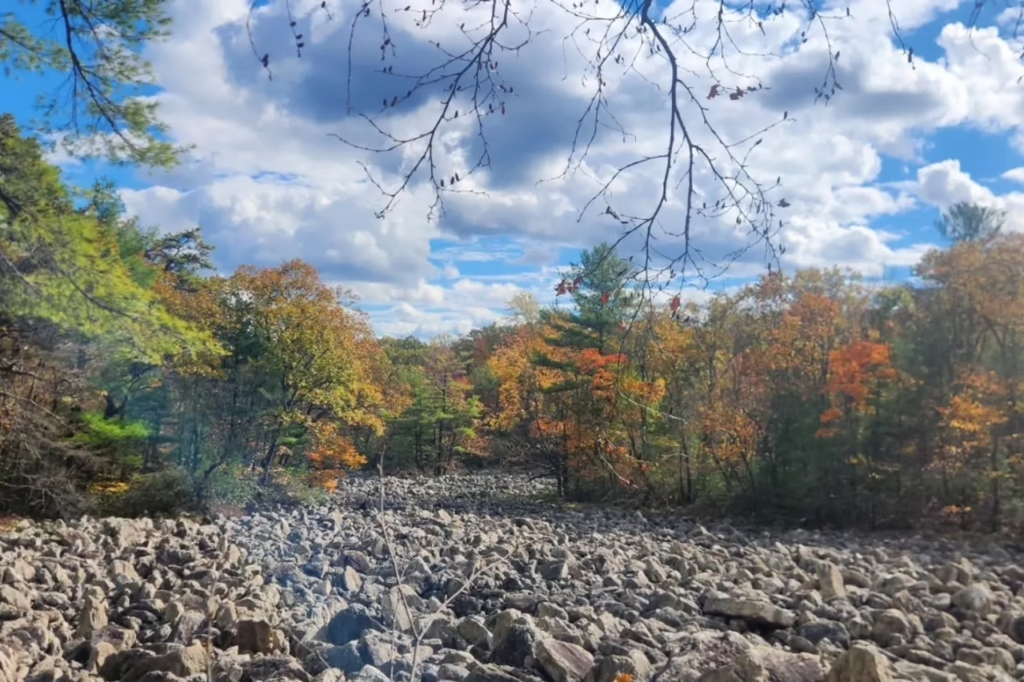


The Hawk Mountain Sanctuary is 2,615-acre wildlife sanctuary. The sanctuary sits on Blue Mountain along the Kittatinny Ridge, providing the perfect observation point for migrating birds. As many as 20,000 raptors migrate through the sanctuary every year from August to December and are counted by the researchers, volunteers, and the general public. The researchers conduct on-site studies and contribute to long-term monitoring, as well as act as educators for visitors. The sanctuary offers numerous educational programs and events for students and schools to take advantage of as well. They educate about their raptors and the work they do regarding migration, but they also teach the importance of conservation and stewardship of protected areas like Hawk Mountain. Open year-round from dusk till dawn, with the exception of holiday hours and the first days of hunting season, Hawk Mountain is a great place to learn and explore. Admission comes at a small fee for non-members, and memberships are an option, including free trail access and other benefits like program discounts. Camping and some events are limited to certain membership levels. All proceeds from memberships and visits help Hawk Mountain continue its mission of conservation, research, and education.
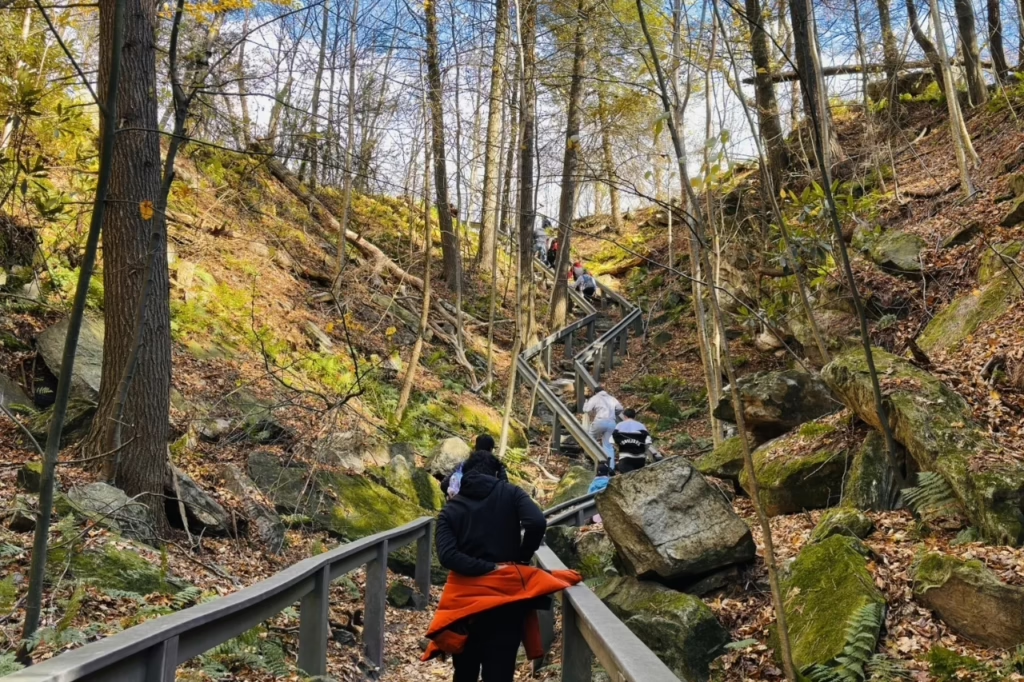
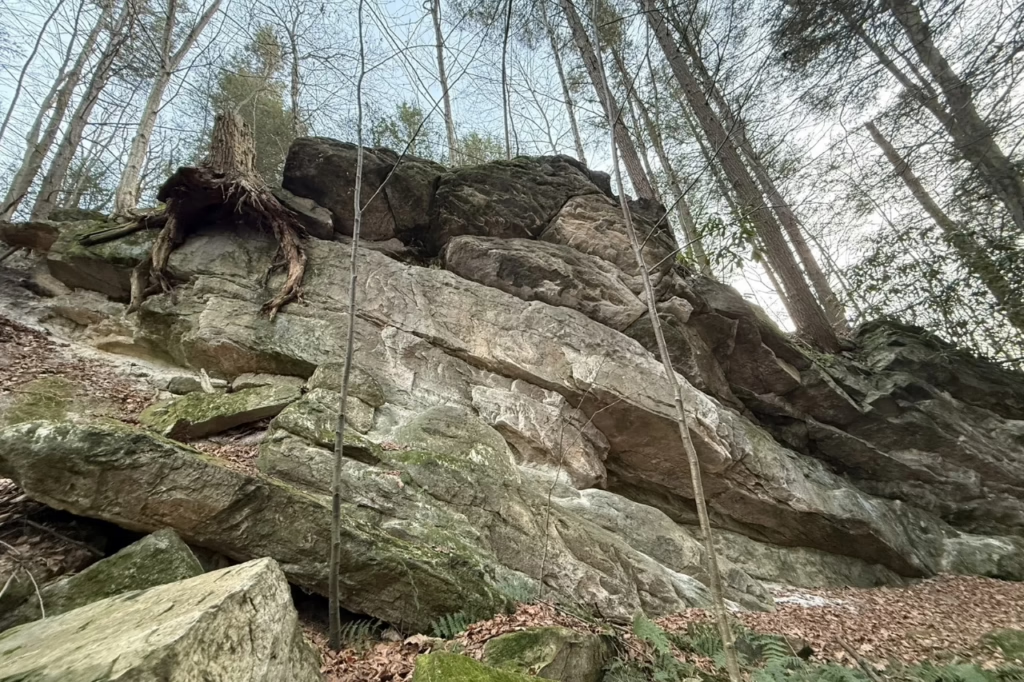
The sanctuary’s eight miles of hiking trails wind through forested ridges, rocky outcrops, and ridgetop lookouts, providing perfect birding opportunities. Some trails include scrambling, while others are easier and even wheelchair accessible, making Hawk Mountain’s lookout points open to all. The Silhouette Trail to the South Lookout is ADA accessible, with a shallow grade and benches along the path to provide resting spots for those who require them. Several steeper sections of the trails are lined with railings as well, making access safer. The Hawk Mountain website provides a detailed description of each trail and a well-marked trail guide.
Hawk Mountain Sanctuary is a raptor lover’s haven, offering the chance to observe some of the most iconic birds of prey in North America. Commonly sighted species at Hawk Mountain include the bald eagle, the red-tailed hawk, osprey, American kestrel, and the peregrine falcon. The Sanctuary is renowned for sightings of the eastern migratory population of golden eagles, as well as the occasional American goshawk. But Hawk Mountain is host to more life than just its birds of prey. The protected forest and rocky terrain are home to white-tailed deer, gray foxes, and chipmunks. The undergrowth also protects smaller reptiles and amphibians like frogs, salamanders, and snakes, particularly in the wetter, wooded sections of the sanctuary.
Hawk Mountain does a lot more for its native species than just caring for and researching the local raptors. Located near the parking lot and visitor center, Hawk Mountain and its generous volunteers maintain a two-acre Native Habitat Garden. The more than 250 species that line these paths include trees, native flowers, shrubs, vines, and grasses. These native plants are the perfect habitat to attract native butterflies and birds, as well as for turtles and frogs in the ponds. Hidden seating areas provide the perfect place to spend time observing these various species up close. In May and September, plant sales take place, providing a perfect opportunity to learn about the local species of flowers and shrubs that the environment would love to have included in more home landscaping.
The origins of Hawk Mountain, like many of the geographic features in the region, can be traced back to the Lenni Lenape Native Americans. These people lived on and around the Kittatinny Ridge, using its resources to thrive. During European expansion into native lands and the formation of the United States, this environment became something to be lived on and not with. Americans eventually began bounty hunting the birds of prey, due to a $5 bounty placed on the goshawk by the Pennsylvania Game Commission in 1929. Ornithologist Richard Pough took issue with these killings at a place called “Hawk Mountain,” so he set off to collect pictures of the sport kills. These images were seen by conservationist Rosalie Edge, who purchased the original 1,400 acres of Hawk Mountain in 1934 to prevent more shooting of these majestic birds and defend their population. She installed a warden on the property, a New England bird enthusiast named Maurice Broun, and Maurice’s wife and bird conservation partner, Irma Broun. The shooting stopped immediately, and the next year, Mrs. Edge opened the Sanctuary to the public as a place to see the beautiful but persecuted birds of prey. She purchased and deeded the 1,400 acres to Hawk Mountain Sanctuary Association, incorporated in 1938 as a non-profit organization in Pennsylvania. Since then, the sanctuary has expanded to 2,600 acres and developed education programs and research facilities. This way, the birds and land are being more than just protected, they’re being cared for.
Wildlands Conservancy is one of Hawk Mountain Sanctuary’s regional conservation partners, working in parallel to protect natural habitats and resources for future generations. The Kittatinny Ridge is a crucial environment for local wildlife and the Lehigh watershed, necessitating both organizations’ continual efforts to protect these lands. Wildlands is also proud to share leadership with Hawk Mountain through the appointment of Wildlands’ former 20-year president, Tom Kerr, as Hawk Mountain’s former board chair.
For More Information: